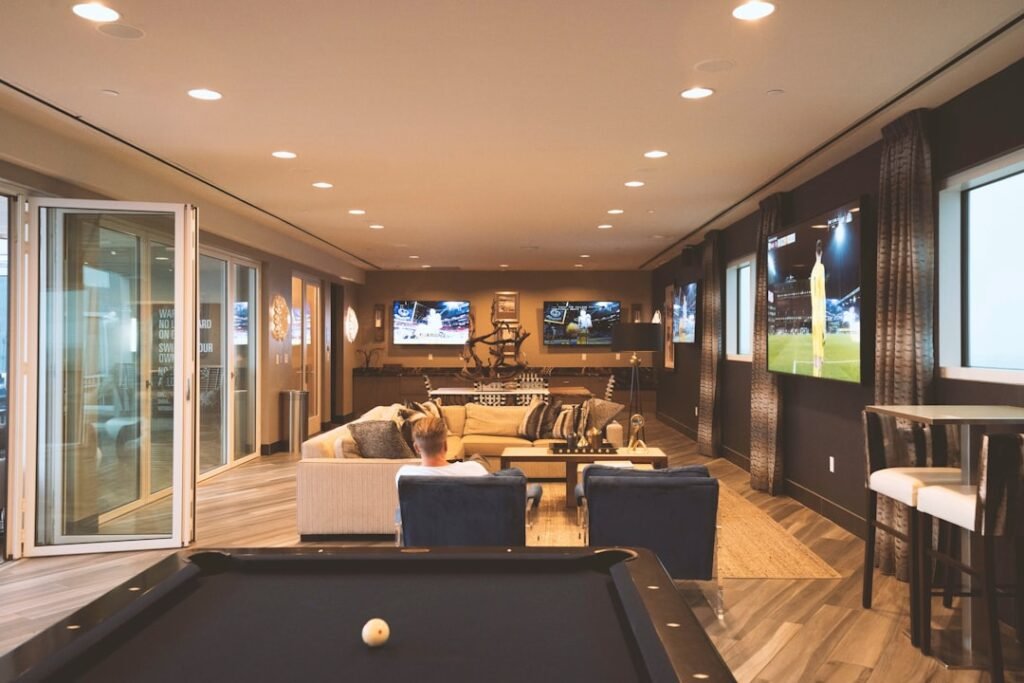
Proper ventilation is a fundamental requirement for indoor golf facilities that significantly impacts player comfort and performance. While simulator technology, turf quality, and facility design receive considerable attention, adequate airflow systems are equally important for creating an optimal playing environment. Effective ventilation systems maintain comfortable temperature and humidity levels within indoor golf spaces.
Poor airflow can result in stuffy conditions that reduce player focus and diminish the overall experience. Temperature regulation is particularly important as physical activity during golf practice and play generates body heat that must be properly managed. Air quality management represents another critical function of proper ventilation in indoor golf facilities.
Well-designed ventilation systems continuously exchange indoor air with fresh outdoor air, removing pollutants and maintaining optimal humidity levels.
Poor ventilation can lead to elevated carbon dioxide levels, increased humidity, and stagnant air conditions that contribute to player fatigue and reduced concentration. Professional-grade ventilation systems help maintain consistent air quality that supports sustained performance and comfort during longer training sessions.
Key Takeaways
- Proper ventilation is crucial for comfort and performance in indoor golf studios.
- Climate control directly affects golf swing consistency and overall player experience.
- Effective ventilation systems help maintain optimal temperature, humidity, and air quality.
- Designing ventilation requires considering room size, equipment heat output, and airflow patterns.
- Regular professional installation and maintenance ensure the ventilation system functions efficiently.
Understanding the Impact of Climate Control on Golf Performance
Climate control is not just about keeping the temperature comfortable; it also encompasses humidity levels and air quality, all of which can significantly impact our golf performance. When we practice or play in an environment that is too hot or too cold, our bodies may struggle to perform at their best. For instance, excessive heat can lead to dehydration and fatigue, while cold conditions can stiffen our muscles and hinder our swing mechanics.
Furthermore, humidity levels can affect how we perceive temperature and how our bodies react during physical activity. High humidity can make us feel sluggish and uncomfortable, while low humidity can lead to dry air that irritates our respiratory systems. By understanding these factors, we can better appreciate the importance of climate control in our indoor golf studio, ensuring that we create an environment conducive to optimal performance.
Benefits of Effective Ventilation for Golf Simulator Room
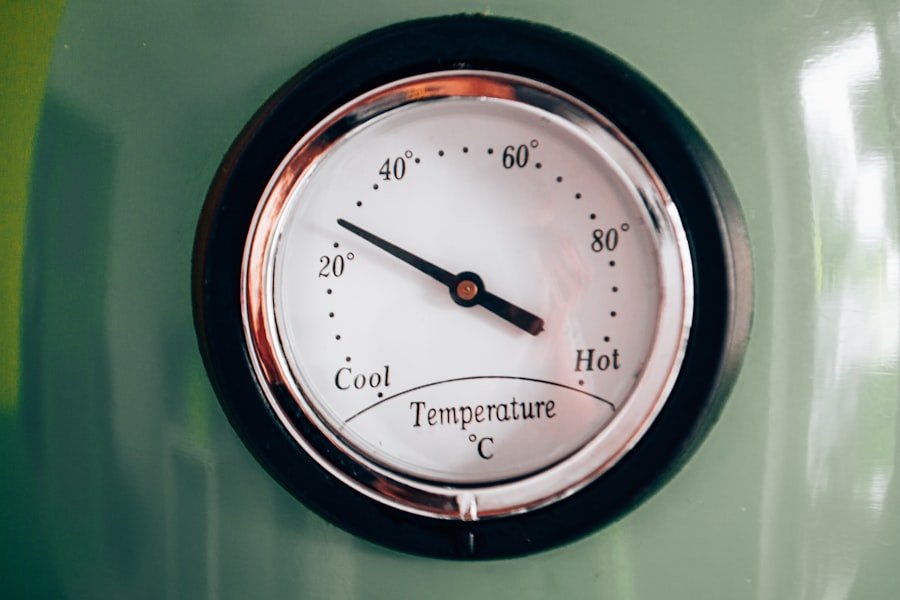
Effective ventilation in a golf simulator room offers numerous benefits that enhance our overall experience. First and foremost, it helps regulate temperature and humidity levels, creating a comfortable atmosphere for practice and play. When we are comfortable, we can focus more on our technique and less on external distractions, leading to improved performance over time.
Additionally, effective ventilation contributes to better air quality by reducing the concentration of indoor pollutants. This is particularly important in a space where we may be spending several hours at a time. Clean air not only helps us feel more energized but also reduces the risk of respiratory issues that could arise from prolonged exposure to stale air.
Ultimately, effective ventilation allows us to enjoy our time in the studio without the discomfort of poor air quality or temperature fluctuations.
Factors to Consider When Designing Ventilation System for Indoor Golf Studio
When designing a ventilation system for our indoor golf studio, several factors must be taken into account to ensure optimal performance. First, we need to consider the size of the space. A larger studio may require a more robust system to ensure adequate airflow throughout the entire area.
Conversely, smaller spaces may benefit from simpler solutions that still provide effective ventilation. Another critical factor is the layout of the studio. We should assess where the golf simulators are located and how air will flow around them.
Proper placement of vents and exhaust systems can help prevent hot or cold spots within the room, ensuring that every corner receives adequate airflow. Additionally, we must consider the number of occupants typically using the space at any given time; more people will generate more heat and humidity, necessitating a more powerful ventilation system.
Types of Ventilation Systems Suitable for Golf Simulator Room
| Parameter | Recommended Value | Unit | Notes |
|---|---|---|---|
| Air Changes per Hour (ACH) | 6-10 | times/hour | Ensures adequate fresh air circulation |
| Temperature Range | 68-72 | °F | Comfortable indoor temperature for players |
| Relative Humidity | 40-60 | % | Prevents equipment damage and player discomfort |
| CO2 Concentration | <1000 | ppm | Maintains good indoor air quality |
| Ventilation Type | Mechanical with HEPA filtration | N/A | Filters airborne particles and contaminants |
| Airflow Velocity | 0.1-0.2 | m/s | Prevents drafts while maintaining circulation |
| Noise Level of HVAC System | <50 | dB(A) | Ensures minimal disruption during play |
| Air Filtration Efficiency | Minimum MERV 13 | N/A | Captures fine particles and allergens |
There are several types of ventilation systems that we can consider for our golf simulator room, each with its own advantages and disadvantages. One common option is natural ventilation, which relies on windows and doors to allow fresh air to circulate through the space. While this method is energy-efficient and cost-effective, it may not provide sufficient airflow during extreme weather conditions.
Mechanical ventilation systems are another popular choice for indoor golf studios. These systems use fans and ducts to actively circulate air throughout the space. Options such as exhaust fans can help remove stale air while introducing fresh air from outside.
Additionally, heat recovery ventilators (HRVs) can be beneficial as they exchange stale indoor air with fresh outdoor air while minimizing energy loss.
Maintaining Optimal Temperature and Humidity Levels in an Indoor Golf Studio
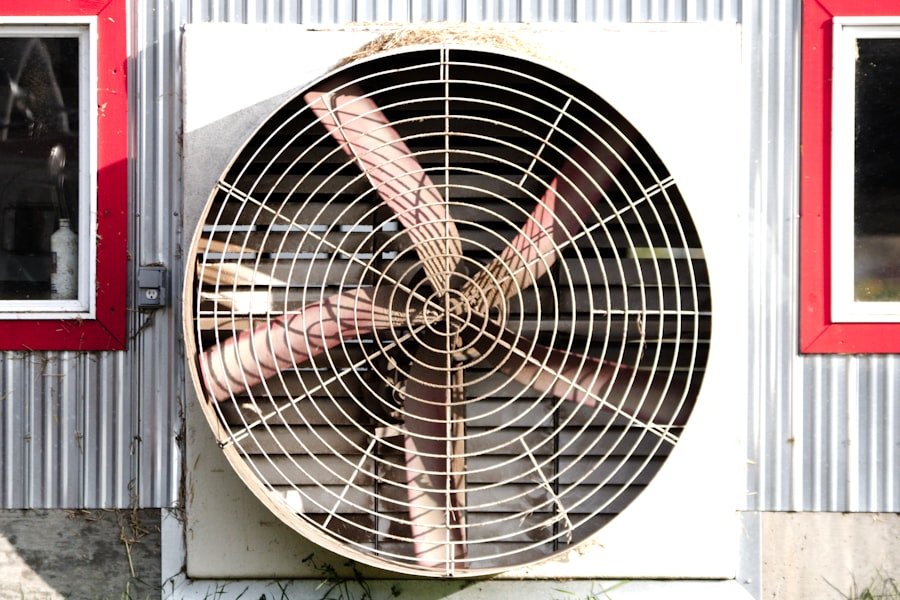
To maintain optimal temperature and humidity levels in our indoor golf studio, we must implement a combination of effective climate control strategies. One approach is to invest in a reliable heating, ventilation, and air conditioning (HVAC) system that allows us to set specific temperature ranges based on our preferences. This system should be capable of adjusting to changes in occupancy levels and external weather conditions.
In addition to HVAC systems, we should also monitor humidity levels using hygrometers or integrated sensors within our climate control systems. Ideally, we want to maintain humidity levels between 40% and 60% for optimal comfort and performance. If humidity levels rise too high, dehumidifiers can help remove excess moisture from the air, while humidifiers can add moisture during dry winter months.
Tips for Improving Air Quality in a Golf Simulator Room
Improving air quality in our golf simulator room is essential for creating a healthy environment conducive to practice and play. One effective strategy is to incorporate air purifiers equipped with HEPA filters that can capture airborne particles such as dust, pollen, and allergens. These devices can significantly enhance indoor air quality by removing contaminants that may otherwise linger in the space.
Additionally, regular maintenance of our ventilation system is crucial for ensuring optimal performance. We should schedule routine inspections and cleanings to prevent dust buildup in ducts and vents that could impede airflow. Furthermore, incorporating plants into our indoor golf studio can also help improve air quality; certain plants are known for their ability to filter toxins from the air while adding a touch of greenery to the space.
Incorporating Climate Control Features in Golf Simulator Room Design
When designing our golf simulator room, incorporating climate control features from the outset can greatly enhance our experience. For instance, strategically placing windows or skylights can allow natural light to flood the space while providing opportunities for passive ventilation when weather permits. This not only creates an inviting atmosphere but also reduces reliance on artificial lighting.
We should also consider integrating smart technology into our climate control systems. Smart thermostats can learn our preferences over time and adjust settings automatically based on occupancy patterns or external weather conditions. This level of automation ensures that we always return to a comfortable environment without having to manually adjust settings each time we use the studio.
Ensuring Proper Air Circulation for Comfortable Golfing Experience
Proper air circulation is vital for ensuring a comfortable golfing experience in our indoor studio. We must ensure that airflow reaches all areas of the room evenly to prevent hot or cold spots that could distract us during play. One way to achieve this is by strategically placing fans throughout the space to promote consistent airflow.
Additionally, we should avoid obstructing vents or airflow pathways with furniture or equipment. Keeping pathways clear allows air to circulate freely throughout the room, enhancing comfort levels for everyone using the space. By prioritizing proper air circulation, we create an environment where we can focus on improving our game without being distracted by discomfort.
Common Ventilation and Climate Control Mistakes to Avoid in Indoor Golf Studios
As we embark on creating our ideal indoor golf studio, it’s essential to be aware of common mistakes related to ventilation and climate control that could hinder our experience. One frequent error is neglecting regular maintenance of HVAC systems; failing to change filters or clean ducts can lead to reduced efficiency and poor air quality over time. Another mistake is underestimating the importance of proper insulation in maintaining temperature control within the studio.
Insufficient insulation can result in significant energy loss and make it challenging to maintain consistent temperatures throughout the year. By addressing these common pitfalls early on, we can ensure that our indoor golf studio remains comfortable and enjoyable for years to come.
Professional Installation and Maintenance of Ventilation Systems for Golf Simulator Rooms
To achieve optimal results with our ventilation system, professional installation and maintenance are crucial steps that should not be overlooked. Engaging experienced HVAC professionals ensures that our system is designed and installed correctly based on the specific needs of our indoor golf studio. They can assess factors such as room size, layout, and occupancy patterns to recommend tailored solutions that maximize efficiency.
Regular maintenance by professionals is equally important for keeping our ventilation system running smoothly over time. Scheduled inspections allow technicians to identify potential issues before they escalate into costly repairs or system failures. By investing in professional installation and maintenance services, we can enjoy peace of mind knowing that our indoor golf studio will provide a comfortable environment for practice and play throughout its lifespan.
In conclusion, creating an optimal indoor golf studio requires careful consideration of ventilation and climate control factors that directly impact our experience on the course. By prioritizing proper airflow, temperature regulation, and air quality improvements, we can enhance both comfort and performance during every session spent honing our skills indoors.
When setting up an indoor golf studio, proper ventilation and climate control are crucial for creating a comfortable and effective practice environment. For additional insights on optimizing your home golf studio, you may find the article on 5 Costly Mistakes to Avoid When Setting Up Your Home Golf Studio particularly helpful. This resource outlines common pitfalls that can impact not only the functionality of your space but also the overall experience of your practice sessions.
FAQs
Why is ventilation important in an indoor golf studio?
Proper ventilation is essential in an indoor golf studio to maintain air quality, control humidity, and prevent the buildup of odors and airborne contaminants. Good airflow helps create a comfortable environment for players and protects equipment from moisture damage.
What are the key factors to consider for climate control in an indoor golf studio?
Key factors include temperature regulation, humidity control, and air circulation. Maintaining a consistent temperature between 68-72°F (20-22°C) and humidity levels around 40-60% helps ensure player comfort and preserves the integrity of golf equipment and simulator technology.
How can I improve air circulation in my indoor golf studio?
Improving air circulation can be achieved by installing ceiling fans, using HVAC systems with proper air exchange rates, and incorporating air vents or windows that allow fresh air to enter and stale air to exit. Regular maintenance of air filters also enhances airflow efficiency.
What type of ventilation system is recommended for an indoor golf studio?
A mechanical ventilation system with heat recovery ventilators (HRVs) or energy recovery ventilators (ERVs) is recommended. These systems provide fresh air while minimizing energy loss, maintaining indoor air quality, and controlling humidity levels effectively.
How does humidity affect an indoor golf studio environment?
Excess humidity can cause discomfort, promote mold growth, and damage electronic equipment and golf clubs. Low humidity can lead to dry air, which may affect player comfort and the performance of simulator sensors. Maintaining balanced humidity is crucial for optimal conditions.
Can climate control systems help reduce energy costs in an indoor golf studio?
Yes, modern climate control systems with programmable thermostats and energy-efficient HVAC units can optimize temperature and humidity settings, reducing energy consumption and lowering operational costs while maintaining a comfortable environment.
Is natural ventilation sufficient for an indoor golf studio?
Natural ventilation alone is often insufficient, especially in enclosed or windowless studios. Combining natural ventilation with mechanical systems ensures consistent air quality and climate control regardless of outdoor weather conditions.
How often should ventilation and climate control systems be maintained?
Regular maintenance is recommended at least twice a year. This includes cleaning or replacing air filters, inspecting ducts, checking humidity controls, and servicing HVAC components to ensure optimal performance and indoor air quality.
What are the signs of poor ventilation in an indoor golf studio?
Signs include stale or musty odors, condensation on windows or walls, excessive humidity or dryness, discomfort among players, and visible mold growth. Addressing these issues promptly helps maintain a healthy and comfortable environment.
Can ventilation and climate control impact the accuracy of golf simulators?
Yes, extreme temperatures and humidity levels can affect the performance of sensors and electronic components in golf simulators. Proper climate control ensures consistent conditions, which helps maintain the accuracy and reliability of the equipment.