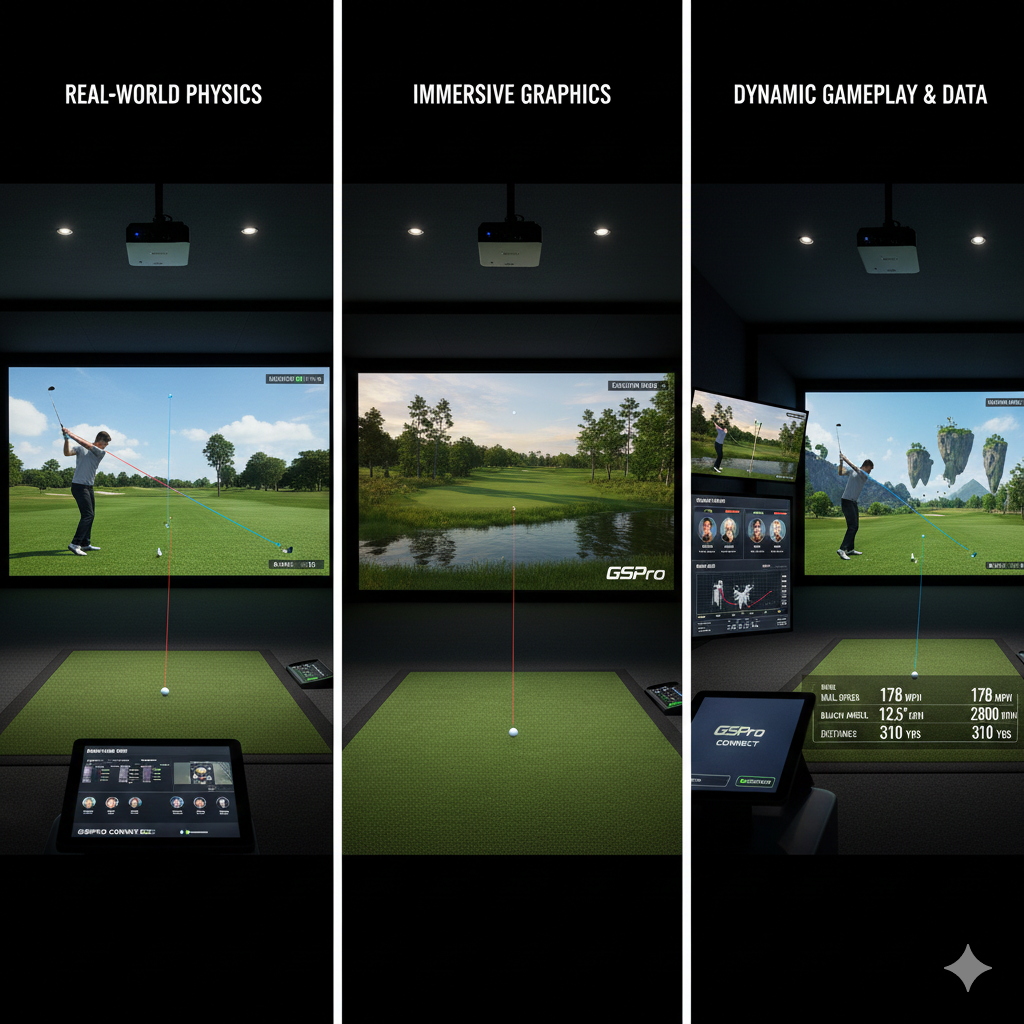

Golf simulators require careful consideration of multiple components to create an optimal playing environment, with flooring serving as a fundamental element that directly impacts user experience. Proper flooring provides essential stability, comfort, and realistic surface conditions that replicate actual golf course playing surfaces. The golf simulator market has experienced substantial growth in recent years, driving increased demand for dedicated indoor golf spaces.
When establishing a golf simulator setup, several environmental factors require attention, including lighting systems, acoustic treatment, and flooring selection. The flooring choice significantly influences player interaction with the simulator system and overall performance quality. Available flooring options range from specialized golf mats to synthetic turf systems, each designed to meet different user requirements and simulate various course conditions.
These solutions aim to provide authentic playing surfaces that enhance the accuracy and realism of the golf simulation experience.
Key Takeaways
- Proper flooring enhances the realism and safety of golf simulators.
- Choosing the right material, such as mats, carpeting, or synthetic turf, impacts performance and comfort.
- A suitable subfloor is essential for stability and durability of the simulator setup.
- Correct installation and regular maintenance prolong the life of golf simulator flooring.
- Investing in quality flooring significantly improves the overall golf simulator experience.
Benefits of Proper Flooring for Golf Simulators
Investing in proper flooring for our golf simulator setup offers numerous benefits that extend beyond mere aesthetics. First and foremost, quality flooring provides a stable and level surface that is essential for accurate ball tracking and swing analysis. When we step onto a well-designed floor, we can trust that our shots will be reflected accurately in the simulator, allowing us to focus on improving our technique rather than worrying about inconsistencies caused by an uneven surface.
Moreover, the right flooring can enhance our comfort during long practice sessions. Golf can be a physically demanding sport, and standing on hard surfaces for extended periods can lead to fatigue and discomfort. By choosing flooring that offers cushioning and support, we can create a more enjoyable environment that encourages us to spend more time honing our skills.
Additionally, proper flooring can help reduce noise levels, making our practice sessions quieter and more focused, which is particularly beneficial if we are setting up our simulator in a shared space or home environment.
Choosing the Right Flooring Material for Your Golf Simulator
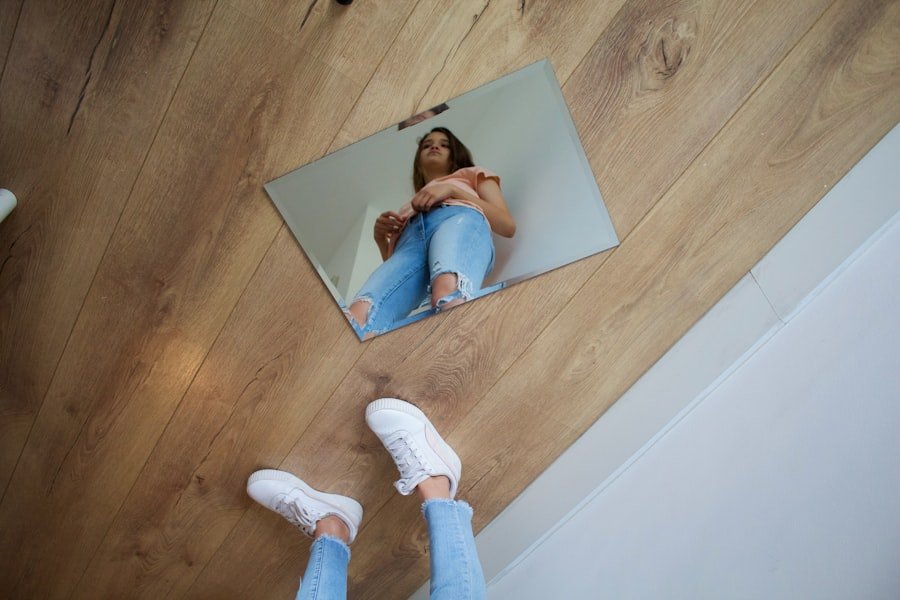
When it comes to selecting the right flooring material for our golf simulator, we have a variety of options to consider. Each material comes with its own set of advantages and disadvantages, making it essential for us to evaluate our specific needs and preferences before making a decision. For instance, if we prioritize portability and ease of installation, we might lean towards mats that can be easily rolled up and stored away when not in use.
On the other hand, if we are looking for a more permanent solution that mimics the feel of real grass, synthetic turf could be the ideal choice. Another factor to consider is the level of maintenance required for each flooring option. Some materials may require regular cleaning or upkeep to maintain their appearance and functionality, while others may be more forgiving in this regard.
We should also think about the overall aesthetic we want to achieve in our simulator space. The right flooring can complement our decor and create an inviting atmosphere that enhances our overall experience.
Best Mats for Golf Simulators
When it comes to mats for golf simulators, several options stand out as top choices among enthusiasts. One popular option is the hitting mat, designed specifically for simulating real grass conditions while providing ample cushioning for our feet. These mats often feature a durable surface that can withstand repeated strikes from golf clubs without showing signs of wear.
Additionally, many hitting mats come with built-in tee holders or adjustable heights, allowing us to customize our setup based on our preferences. Another excellent choice is the practice mat, which typically offers a more forgiving surface for practicing various shots. These mats often include markings or guidelines to help us improve our alignment and stance.
Some even come with integrated targets or feedback systems that provide instant data on our swing performance. By investing in high-quality mats tailored for golf simulators, we can create an environment that encourages consistent practice and improvement.
Carpeting Options for Golf Simulators
| Flooring Type | Material | Durability | Installation Ease | Impact on Simulator Accuracy | Cost Range | Maintenance |
|---|---|---|---|---|---|---|
| Golf Mats | Rubber, Synthetic Turf | Medium | Easy | High (Designed for hitting) | Low to Medium | Regular cleaning, occasional replacement |
| Interlocking Foam Tiles | High-Density EVA Foam | Medium | Very Easy | Medium (May affect ball roll slightly) | Low | Easy to clean, replace individual tiles |
| Carpet Flooring | Nylon or Polyester | Low to Medium | Moderate | Medium (Can affect ball roll and sensor readings) | Low to Medium | Regular vacuuming, occasional deep cleaning |
| Hardwood Subfloor | Oak, Maple, or Engineered Wood | High | Difficult (Professional installation recommended) | High (Stable surface for sensors) | High | Periodic polishing and maintenance |
| Concrete Subfloor | Concrete | Very High | Very Difficult (Requires professional work) | High (Stable and flat surface) | High | Minimal, keep clean and dry |
| Rubber Flooring | Recycled Rubber | High | Moderate | High (Good shock absorption, stable) | Medium | Easy to clean, durable |
While carpeting may not be the first material that comes to mind when considering golf simulator flooring, it can offer unique advantages that cater to specific needs. For those of us who prioritize comfort and warmth in our simulator space, plush carpeting can create a cozy atmosphere that invites us to spend hours practicing without discomfort. Additionally, carpeting can help absorb sound, reducing noise levels and creating a more focused environment.
However, it’s essential to choose carpeting designed for high-traffic areas or sports applications to ensure durability. Low-pile carpets are often recommended as they provide a stable surface while still offering some cushioning. We should also consider the color and texture of the carpet to ensure it complements our overall design aesthetic while providing a functional surface for our golfing activities.
Synthetic Turf for Golf Simulators
Synthetic turf has gained immense popularity among golf simulator enthusiasts due to its realistic feel and low maintenance requirements. This material closely mimics the look and texture of natural grass, allowing us to practice with a sense of authenticity that enhances our overall experience. One of the significant advantages of synthetic turf is its durability; it can withstand repeated use without showing signs of wear or fading.
Moreover, synthetic turf is designed to drain well, preventing water accumulation and ensuring that we can practice regardless of weather conditions. This feature makes it an excellent choice for indoor setups where moisture could be an issue. Additionally, many synthetic turf options come with built-in shock absorption properties, providing comfort during long practice sessions while reducing the risk of injury.
Importance of Subfloors for Golf Simulators
While we often focus on the visible flooring material in our golf simulator setups, we must not overlook the importance of subfloors. A subfloor serves as the foundation for our chosen flooring material and plays a crucial role in ensuring stability and performance. An appropriate subfloor can help level out any imperfections in the underlying surface while providing additional cushioning and support.
Furthermore, subfloors can contribute to sound insulation, reducing noise transmission between floors in multi-level homes or shared spaces. By investing time and resources into selecting the right subfloor material, we can create a more enjoyable golfing experience while protecting our primary flooring investment from potential damage caused by moisture or uneven surfaces.
Best Subfloor Materials for Golf Simulators
When selecting subfloor materials for our golf simulator setups, several options stand out as effective choices. Plywood is a popular option due to its strength and stability; it provides a solid base that can support various flooring materials while helping to level out any imperfections in the existing floor. Additionally, plywood is relatively easy to work with during installation.
Another excellent choice is foam underlayment, which offers superior cushioning and sound absorption properties. This material can help reduce impact noise while providing a comfortable surface beneath our chosen flooring material. For those of us looking for moisture resistance, rubber underlayment is an ideal option; it not only provides excellent cushioning but also protects against water damage.
Installation Tips for Golf Simulator Flooring
Installing flooring for our golf simulator requires careful planning and execution to ensure optimal results. First and foremost, we should take accurate measurements of our space to determine how much material we will need. This step will help us avoid unnecessary waste and ensure a seamless installation process.
Before laying down any flooring material, it’s essential to prepare the subfloor properly. This may involve cleaning the surface thoroughly and addressing any imperfections or moisture issues. If we are using mats or synthetic turf, following manufacturer guidelines during installation will help us achieve the best results.
Finally, taking the time to ensure everything is level and secure will pay off in terms of performance and longevity.
Maintenance and Cleaning of Golf Simulator Flooring
Once we have installed our golf simulator flooring, regular maintenance becomes crucial to preserving its appearance and functionality over time. For mats and synthetic turf, routine cleaning may involve vacuuming or using a soft brush to remove dirt and debris that could affect performance. We should also periodically check for any signs of wear or damage that may require repair or replacement.
For carpeting options, regular vacuuming is essential to keep it looking fresh while preventing dirt buildup. Spot cleaning any stains promptly will help maintain its appearance over time. Additionally, we should follow any specific care instructions provided by manufacturers to ensure longevity and optimal performance.
Enhancing Your Golf Simulator Experience with the Right Flooring
In conclusion, choosing the right flooring for our golf simulator setup is a critical decision that can significantly impact our overall experience. From enhancing comfort during practice sessions to ensuring accurate ball tracking and swing analysis, proper flooring plays an integral role in creating an immersive environment that allows us to enjoy the game fully. By considering various options such as mats, carpeting, synthetic turf, and subfloors, we can tailor our setup to meet our specific needs while enhancing both performance and enjoyment.
As we invest time and resources into creating our ideal golfing space at home or in dedicated facilities, let’s not forget about the importance of maintenance and care for our chosen flooring materials. With proper attention and care, we can ensure that our golf simulator remains a source of enjoyment and improvement for years to come. Ultimately, by prioritizing quality flooring solutions tailored to our preferences and requirements, we can elevate our golfing experience to new heights.
When setting up your golf simulator, it’s essential to consider not just the flooring solutions but also the overall environment of your indoor space. For a comprehensive understanding of how to create the perfect atmosphere for your simulator, check out our article on Ventilation and Climate Control for an Indoor Golf Studio. This guide will help you ensure that your simulator area is comfortable and conducive to practice, enhancing your overall experience.
FAQs
What types of flooring are best for golf simulators?
The best flooring options for golf simulators include specialized golf mats, artificial turf, rubber flooring, and cushioned subfloors. These materials provide durability, shock absorption, and realistic turf feel to enhance the golfing experience.
Why is subflooring important for a golf simulator setup?
Subflooring is important because it provides a stable, level foundation that supports the simulator equipment and flooring materials. It also helps with shock absorption, noise reduction, and can protect the underlying floor from damage caused by repeated swings and foot traffic.
Can I use regular carpet or hardwood flooring for my golf simulator?
While regular carpet or hardwood flooring can be used, they are not ideal. Carpet may wear out quickly and not provide the necessary stability, while hardwood can be damaged by golf clubs and balls. Specialized mats or turf designed for golf simulators are recommended for durability and performance.
What are golf mats and how do they differ?
Golf mats are synthetic surfaces designed to mimic the feel of real grass. They vary in thickness, density, and material composition. Some mats include rubber tees and multiple hitting zones to simulate different lies, while others focus on durability and shock absorption.
Is it necessary to install artificial turf in a golf simulator room?
Artificial turf is not strictly necessary but is highly recommended for a realistic playing surface. It provides a natural look and feel, reduces ball bounce, and protects the subfloor. Many golfers prefer turf for its authenticity and comfort.
How do I choose the right flooring solution based on my budget?
Budget considerations include the cost of materials, installation, and durability. Basic rubber mats or carpet tiles are more affordable but may wear out faster. High-quality golf mats and artificial turf offer better performance and longevity but come at a higher price. Assess your usage frequency and desired realism to make the best choice.
Can flooring affect the accuracy of my golf simulator?
Yes, flooring can impact simulator accuracy. Uneven or unstable flooring can cause sensor misreads or affect ball roll and bounce. Using a flat, stable subfloor combined with appropriate mats or turf ensures consistent ball behavior and accurate data capture.
How do I maintain and clean flooring in a golf simulator room?
Maintenance depends on the flooring type. Golf mats and artificial turf should be regularly vacuumed or brushed to remove debris. Rubber flooring can be cleaned with mild soap and water. Avoid harsh chemicals that can degrade materials. Proper maintenance extends the life of your flooring and keeps the simulator area safe and attractive.
Are there any safety considerations for flooring in a golf simulator?
Safety considerations include slip resistance, cushioning to reduce joint impact, and protection against damage from golf clubs and balls. Flooring should provide adequate traction to prevent slips and falls, and sufficient padding to minimize injury risk during swings.
Can I install a golf simulator on an uneven or sloped floor?
Installing a golf simulator on an uneven or sloped floor is not recommended as it can affect equipment stability and simulator accuracy. It is best to level the floor or install a subfloor system that creates a flat, stable surface before setting up the simulator.