
Mastering wedge distances is a critical component of golf performance that many players neglect. Wedges are precision instruments designed for accuracy in approach shots near the green. Understanding the specific distance capabilities of each wedge enables players to make more informed decisions during play, potentially reducing scores.
Each wedge in a golfer’s set has distinct loft and distance characteristics that serve different strategic purposes on the course. Proficiency with wedge distances contributes significantly to shot consistency. When golfers develop precise knowledge of their wedge distance control, they can execute shots with greater confidence and predictability.
This consistency becomes particularly valuable in competitive situations where scoring efficiency matters most. Developing refined wedge skills typically results in fewer strokes around the green, which directly impacts overall scoring performance and can enhance the player’s overall golfing experience.
Key Takeaways
- Mastering wedge distances is crucial for improving your short game and lowering scores.
- Setting up a dedicated practice area at home allows consistent wedge matrix training in various conditions.
- Using launch monitors and simulators helps accurately dial in wedge distances and shot trajectories.
- Incorporating visualization, mental practice, and tracking progress enhances wedge distance control.
- Combining at-home drills with professional instruction ensures effective translation of practice to on-course success.
Setting up a practice area at home for wedge matrix mastery
Creating a dedicated practice area at home is an essential step in our journey to mastering wedge distances. We can transform a small space in our backyard or even a garage into an effective training ground. By setting up targets at various distances, we can simulate on-course scenarios and practice our wedge shots with precision.
Using alignment sticks or markers can help us focus on our stance and swing path, ensuring that we develop good habits while practicing. In addition to physical targets, we can incorporate various drills into our practice routine. For instance, we might set up a wedge matrix that includes different distances and shot types, such as chips, pitches, and full swings.
This structured approach allows us to track our progress and identify areas that need improvement. By dedicating time to practice in this controlled environment, we can build muscle memory and gain confidence in our ability to execute wedge shots under pressure.
Utilizing launch monitors and simulators to dial in distances
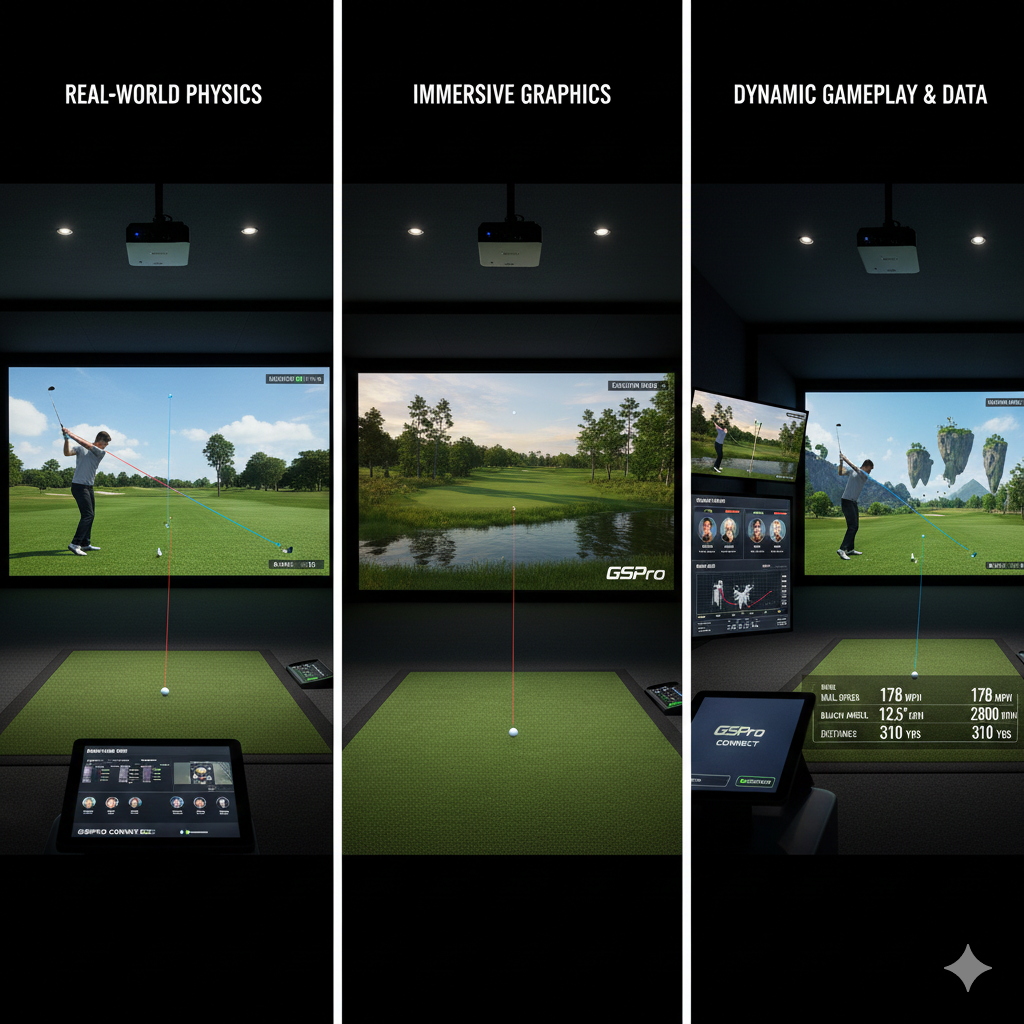
Incorporating technology into our practice routine can significantly enhance our understanding of wedge distances. Launch monitors and simulators provide valuable data that helps us analyze our performance. By using these tools, we can measure key metrics such as ball speed, launch angle, and spin rate, which are crucial for understanding how far we can hit each wedge.
This data-driven approach allows us to make informed adjustments to our technique and equipment. Furthermore, simulators offer the opportunity to practice in various conditions without leaving home. We can replicate different course scenarios and weather conditions, allowing us to adapt our game accordingly.
By utilizing launch monitors and simulators, we can gain insights into our performance that would be difficult to achieve through traditional practice methods alone. This technology not only helps us dial in our distances but also builds our confidence as we see tangible improvements in our game.
Perfecting your wedge game with indoor putting greens
While wedges are primarily used for approach shots, the short game is equally important, and indoor putting greens can play a significant role in perfecting our overall wedge game. Having access to a putting green at home allows us to work on our chipping and pitching skills in conjunction with our putting practice. We can set up various drills that focus on distance control and accuracy, which are essential when executing shots around the green.
Additionally, practicing on an indoor putting green helps us develop a feel for different lies and slopes. By incorporating various drills that simulate real-course conditions, we can improve our ability to judge distance and speed when faced with challenging putts after wedge shots. This holistic approach to practice ensures that we are not only focusing on our wedge distances but also enhancing our overall short game performance.
Using training aids to improve wedge distance control
| Wedge Type | Loft Angle (°) | Typical Distance (Yards) | Recommended Practice Drill | Key Focus Area |
|---|---|---|---|---|
| Pitching Wedge | 44-48 | 100-130 | Distance Control Shots | Consistent Contact & Trajectory |
| Gap Wedge | 50-54 | 80-100 | Landing Spot Targeting | Spin Control & Accuracy |
| Sand Wedge | 54-58 | 60-80 | Flop Shots & Bunker Practice | Loft Utilization & Soft Landing |
| Lob Wedge | 58-64 | 40-60 | High Trajectory Shots | Touch & Feel Around Greens |
Training aids can be invaluable tools in our quest for mastering wedge distances. There are numerous products available that cater specifically to improving short game skills. For instance, alignment sticks can help us maintain proper stance and swing path during practice sessions.
Additionally, devices that provide feedback on swing tempo and angle can help us make necessary adjustments to achieve optimal distance control. We might also consider using weighted training aids that simulate the feel of a wedge while promoting proper mechanics. These aids can help us develop strength and consistency in our swings, ultimately leading to better distance control with our wedges.
By incorporating these training aids into our practice routine, we can accelerate our progress and build a solid foundation for executing precise wedge shots on the course.
Practicing different lies and conditions at home
To truly master wedge distances, it is essential for us to practice under various lies and conditions. While it may be challenging to replicate every scenario at home, we can create makeshift setups that mimic different situations we might encounter on the course. For example, we can practice hitting from tight lies, thick rough, or uneven lies by adjusting the surface we are hitting from or using different types of grass.
By exposing ourselves to these varied conditions during practice, we develop adaptability and confidence in our ability to handle any situation on the course. We can also incorporate drills that focus on specific shot types, such as flop shots or low runners, which require different techniques and distance control strategies. This comprehensive approach ensures that we are well-prepared for whatever challenges may arise during a round of golf.
Incorporating visualization and mental practice into your wedge game
Mental preparation is just as important as physical practice when it comes to mastering wedge distances. Visualization techniques can help us mentally rehearse our shots before stepping onto the course. By picturing ourselves executing successful wedge shots in various scenarios, we reinforce positive outcomes and build confidence in our abilities.
In addition to visualization, incorporating mental practice into our routine allows us to focus on specific aspects of our technique without physically swinging a club. We can take time to reflect on our stance, grip, and swing mechanics while visualizing successful shots. This mental rehearsal not only enhances our understanding of wedge distances but also prepares us for the pressure of real-game situations.
Tracking progress and making adjustments to your wedge matrix
As we work towards mastering wedge distances, tracking our progress is essential for identifying areas that need improvement. We can create a wedge matrix that outlines the distances we achieve with each club under various conditions. By regularly recording our performance data, we gain insights into trends and patterns that inform our practice sessions.
Making adjustments based on this data is crucial for continuous improvement. If we notice that certain distances are consistently off or that specific shot types are causing issues, we can tailor our practice sessions accordingly. This iterative process allows us to refine our technique over time and ensures that we are always working towards greater accuracy and consistency with our wedges.
Incorporating short game drills into your at-home practice routine
To truly excel with wedges, incorporating short game drills into our at-home practice routine is vital. These drills not only enhance our distance control but also improve our overall short game skills. We might set up challenges that require us to hit specific targets from various distances or create games that simulate pressure situations.
By regularly practicing these drills, we develop a sense of rhythm and touch that translates well onto the course. Additionally, incorporating competitive elements into our practice sessions can make them more engaging and enjoyable. Whether it’s timing ourselves or competing against friends or family members, these challenges keep us motivated while honing our skills.
Seeking professional guidance and instruction for wedge distance mastery
While self-directed practice is valuable, seeking professional guidance can accelerate our journey toward mastering wedge distances. A qualified instructor can provide personalized feedback on our technique and help us identify areas for improvement that we may not notice ourselves. They can also introduce us to new drills and strategies tailored specifically to our needs.
Investing in lessons focused on wedges allows us to refine our skills more efficiently than practicing alone. With expert guidance, we gain insights into proper mechanics and distance control techniques that enhance our overall performance on the course.
Translating at-home practice to on-course success with your wedges
Ultimately, the goal of all this dedicated practice is to translate what we’ve learned at home into success on the course. As we become more confident in our ability to control wedge distances through structured practice routines, visualization techniques, and professional guidance, we will find ourselves better equipped to handle real-game situations. By consistently applying the skills we’ve developed during at-home practice sessions, we will see improvements in our short game performance during rounds of golf.
The combination of physical skill development and mental preparation will lead us to make smarter decisions around the green, resulting in lower scores and a more enjoyable golfing experience overall.
For those looking to enhance their short game skills at home, the article on how to convert your garage or spare room into the perfect golf studio provides valuable insights. This resource complements “Wedge Matrix Mastery: Dialing in Your Short Game Distances at Home” by offering practical tips on creating an ideal practice environment, ensuring that golfers can effectively work on their short game distances in the comfort of their own space.