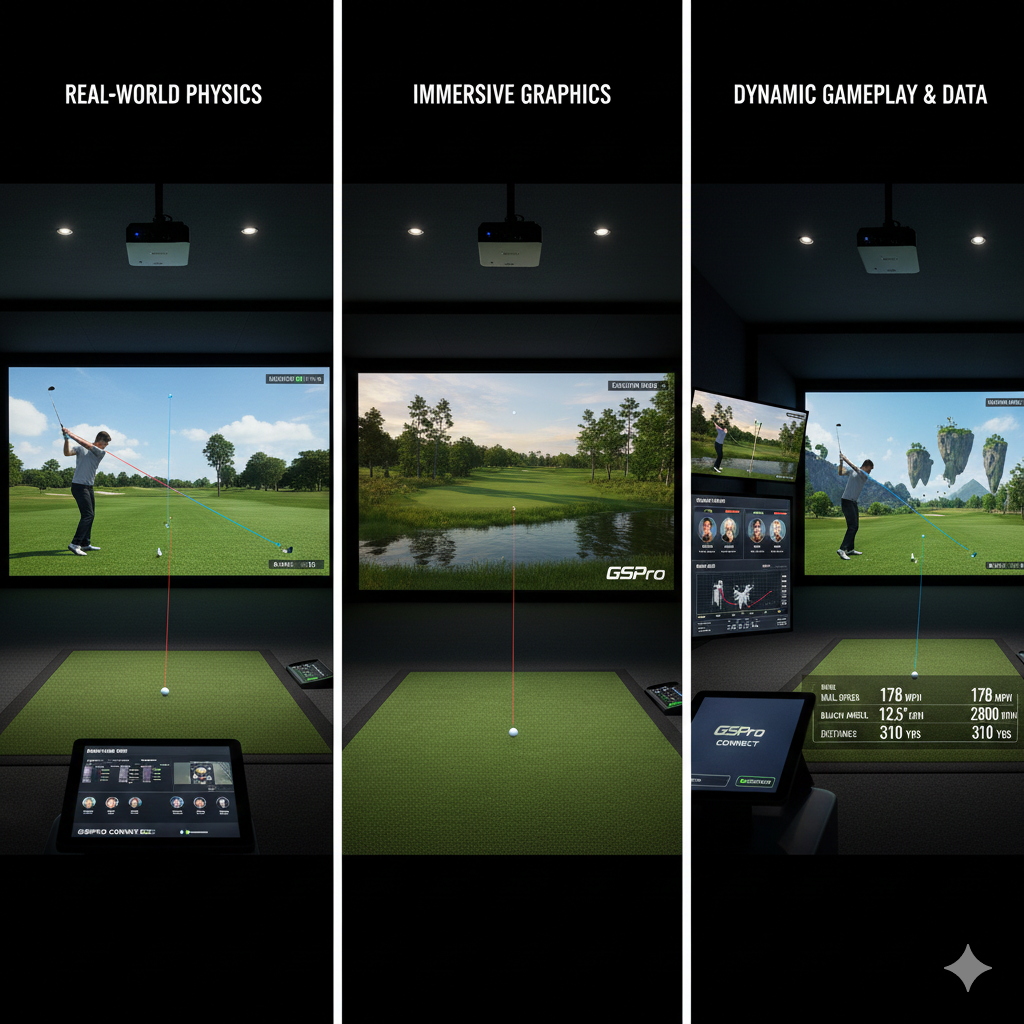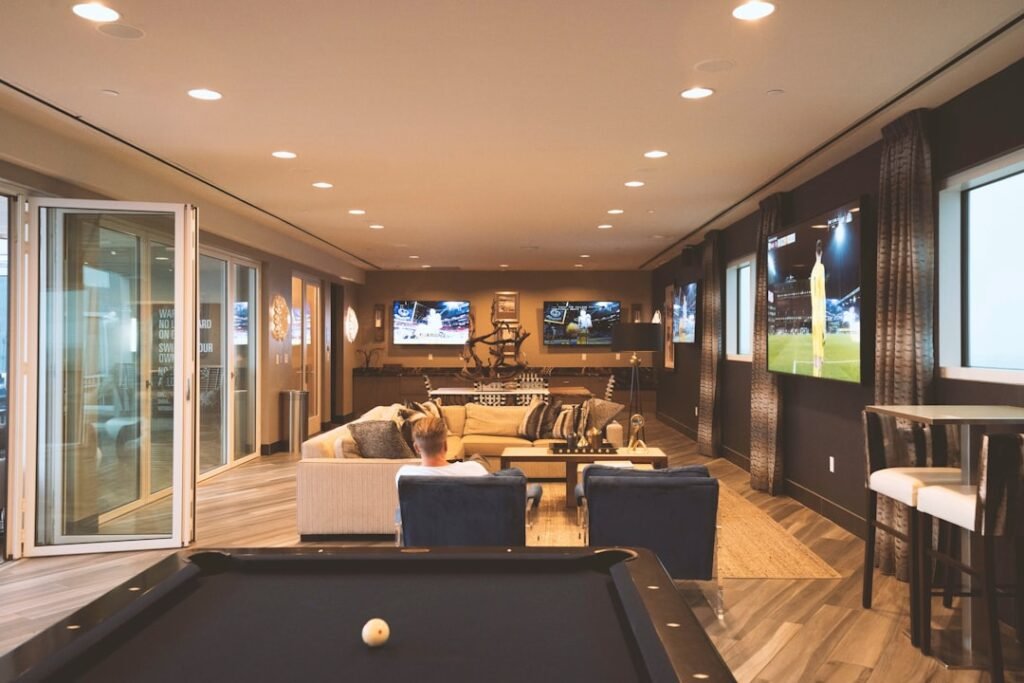
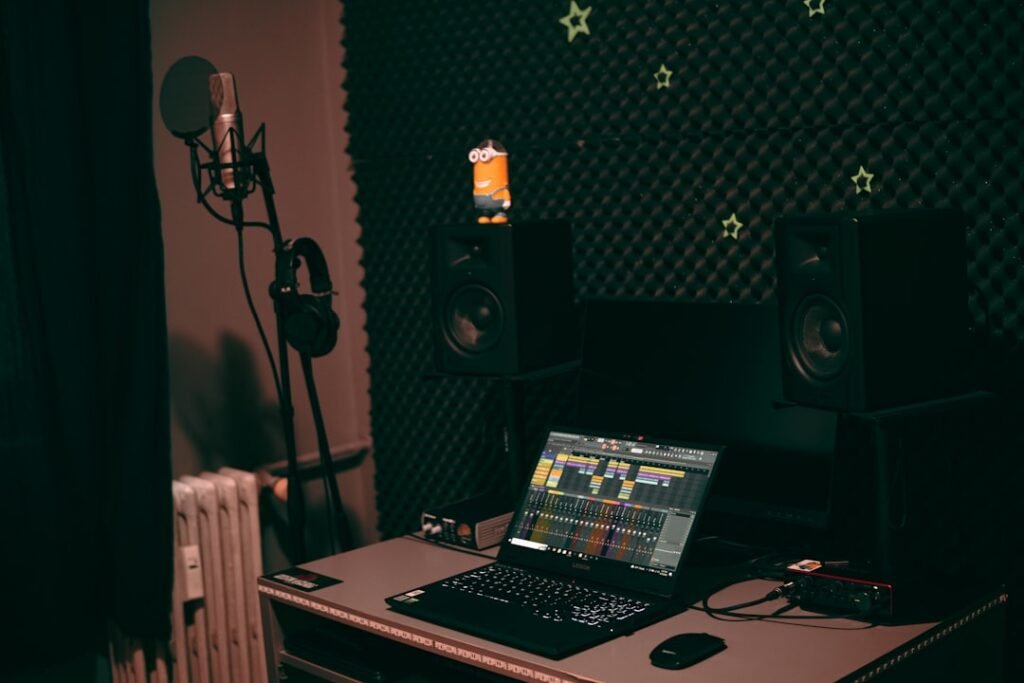
Home golf studios have become increasingly popular among golf enthusiasts in recent years. These dedicated practice spaces offer golfers the opportunity to improve their skills in a controlled, private environment. When considering the installation of a home golf studio, evaluating the return on investment (ROI) becomes essential for making an informed decision.
A home golf studio provides several advantages over traditional practice venues. These facilities eliminate travel time to driving ranges or golf courses, offer consistent practice conditions regardless of weather, and allow for uninterrupted training sessions. The controlled environment enables golfers to focus on specific aspects of their game without external distractions.
The ROI analysis for a home golf studio extends beyond simple financial metrics. Key factors include initial setup costs, ongoing maintenance expenses, skill improvement rates, time savings, and long-term value compared to alternative training methods. Additional considerations encompass the convenience factor, practice frequency potential, and measurable performance improvements in actual play situations.
A comprehensive evaluation of these elements helps determine whether a home golf studio represents a sound investment for individual golfers based on their specific needs, budget, and commitment to improvement.
Key Takeaways
- Setting up a home golf studio involves upfront costs but offers personalized training convenience.
- Calculating ROI requires assessing both financial investment and measurable skill improvements.
- Skill development depends on factors like equipment quality, practice consistency, and coaching.
- Comparing home studios to other training methods helps determine the best value for improvement.
- Maximizing ROI involves strategic use, regular practice, and addressing potential challenges proactively.
The Cost of Setting Up a Home Golf Studio
Setting up a home golf studio can vary significantly in cost, depending on our specific needs and preferences. At its most basic level, we might consider investing in essential equipment such as a high-quality golf simulator, hitting mats, and nets. These foundational elements can range from a few hundred to several thousand dollars.
For instance, entry-level simulators may start around $1,000, while more advanced systems with realistic graphics and comprehensive data tracking can exceed $10,000. Additionally, we must factor in the costs of space preparation, which may involve renovations or modifications to accommodate our new setup. Beyond the initial equipment costs, ongoing expenses should also be taken into account.
Maintenance of our equipment, software updates for simulators, and even utilities for our dedicated space can add up over time. Furthermore, if we choose to incorporate additional features such as putting greens or swing analysis technology, these will further increase our investment. As we assess the total cost of setting up a home golf studio, it becomes clear that careful planning and budgeting are essential to ensure that our investment aligns with our goals and expectations.
Calculating the ROI of a Home Golf Studio
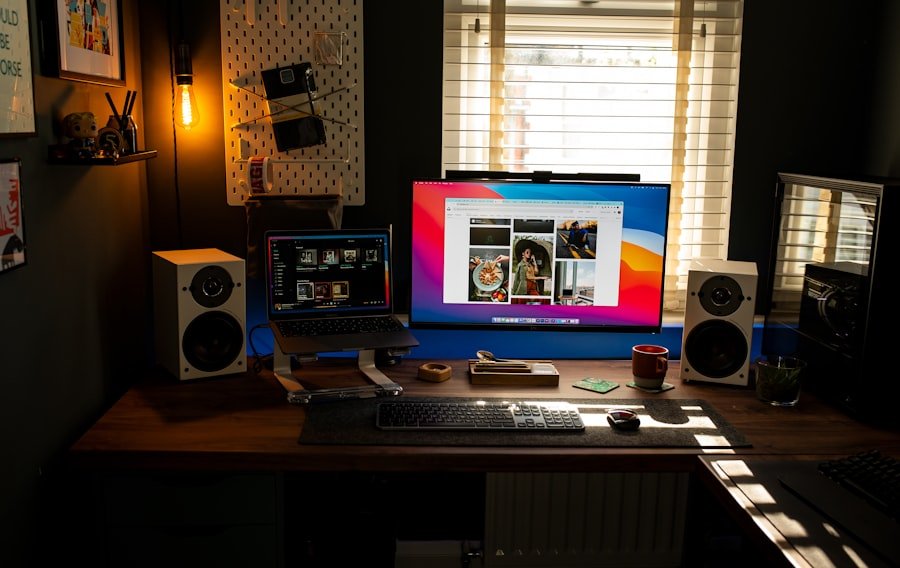
Calculating the ROI of a home golf studio requires us to consider both tangible and intangible benefits. On one hand, we can quantify our investment by comparing the costs associated with setting up the studio against the potential savings from reduced travel to golf courses or driving ranges. For example, if we typically spend $100 per month on range fees and can eliminate that expense by practicing at home, we can begin to see a return on our investment over time.
Additionally, if we factor in the value of our time saved by not commuting to practice facilities, the financial benefits become even more pronounced. On the other hand, we must also evaluate the intangible benefits that come with improved skills and increased enjoyment of the game. As we spend more time practicing in our home studio, we may notice enhancements in our swing mechanics, consistency, and overall performance on the course.
These improvements can lead to lower scores and greater satisfaction during rounds of golf. While these benefits are harder to quantify in monetary terms, they contribute significantly to our overall ROI by enhancing our golfing experience and potentially leading to greater success in competitions.
Factors Affecting Skill Improvement in a Home Golf Studio
Several factors influence our skill improvement when utilizing a home golf studio. One of the most critical elements is the quality of the equipment we choose to invest in. High-end simulators equipped with advanced technology can provide us with detailed feedback on our swing mechanics, ball flight data, and even course simulations that mimic real-life conditions.
This level of insight allows us to make targeted adjustments to our technique and track our progress over time. Another important factor is the amount of time we dedicate to practice within our home studio. Consistency is key when it comes to skill development in any sport, and golf is no exception.
By establishing a regular practice routine and setting specific goals for each session, we can maximize our improvement potential. Additionally, incorporating various training methods—such as drills focused on putting, chipping, and full swings—can help us develop a well-rounded skill set that translates effectively onto the course.
Assessing the Cost of Skill Improvement in a Home Golf Studio
| Metric | Value | Notes |
|---|---|---|
| Initial Setup Cost | 1500 | Includes equipment and software |
| Monthly Maintenance Cost | 50 | Electricity, software updates, minor repairs |
| Hours Practiced per Week | 10 | Average weekly usage |
| Skill Improvement Rate | 5% | Estimated monthly skill growth |
| Time to Break Even | 12 months | Based on skill improvement and cost savings |
| Estimated Increase in Earnings | 20% | Annual increase due to improved skills |
| Alternative Studio Rental Cost | 30 per hour | Cost if not owning a home studio |
| Annual Cost Savings | 3600 | From not renting external studios |
When evaluating the cost of skill improvement in a home golf studio, we must consider both direct and indirect expenses associated with our training efforts. Direct costs may include purchasing instructional materials such as books or online courses that provide guidance on technique and strategy. We might also invest in lessons from professional instructors who can offer personalized feedback based on our performance data from the simulator.
Indirect costs can arise from the time commitment required for practice and skill development. While practicing at home eliminates travel expenses, it does require us to allocate time that could be spent on other activities or responsibilities. As we assess these costs, it’s essential to weigh them against the potential benefits of improved performance and enjoyment of the game.
Ultimately, investing in skill improvement through a home golf studio should align with our personal goals and aspirations as golfers.
Comparing the ROI of a Home Golf Studio to Other Training Options
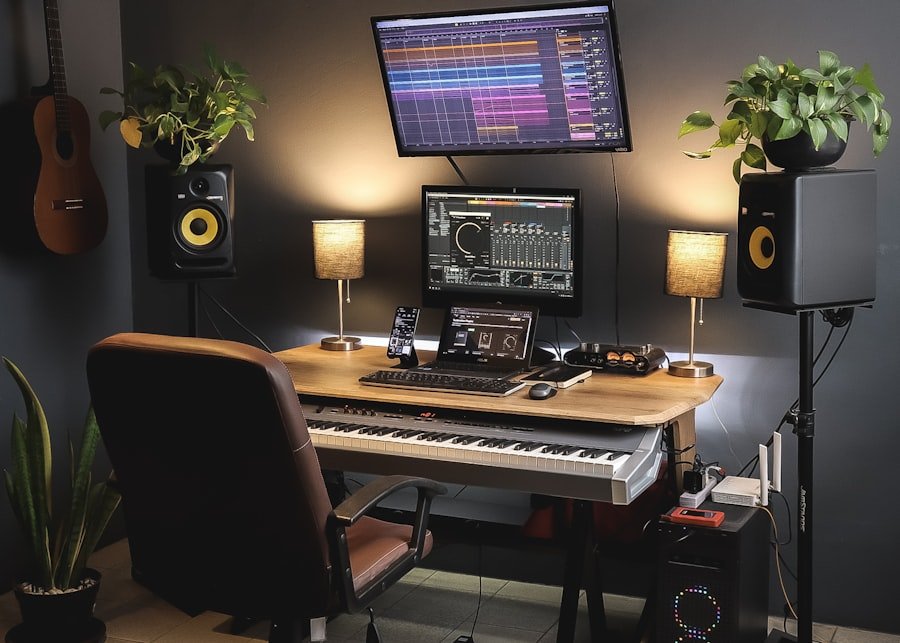
As we consider investing in a home golf studio, it’s valuable to compare its ROI with other training options available to us. Traditional methods such as attending golf schools or participating in group lessons at local courses often come with their own set of costs and benefits. While these options provide access to professional instruction and immediate feedback from coaches, they may also involve significant travel expenses and time commitments.
In contrast, a home golf studio offers us flexibility and convenience that traditional training methods may lack. We can practice at any time that suits our schedule without worrying about booking tee times or coordinating with others. Additionally, having access to advanced technology allows us to analyze our performance in ways that may not be possible during group lessons.
By weighing these factors against each other, we can better understand how a home golf studio fits into our overall training strategy and whether it provides superior ROI compared to other options.
Long-term Benefits of Investing in a Home Golf Studio
Investing in a home golf studio presents numerous long-term benefits that extend beyond immediate skill improvement. One significant advantage is the ability to maintain consistent practice throughout the year, regardless of weather conditions or seasonal changes. This consistency can lead to sustained progress over time, allowing us to refine our skills continuously rather than experiencing periods of stagnation during off-seasons.
Moreover, having a dedicated space for practice fosters a deeper connection with the game itself. As we spend more time engaging with our passion for golf in a personalized environment, we may find ourselves more motivated to improve and explore different aspects of the sport. This intrinsic motivation can lead to greater enjoyment and fulfillment as we pursue our golfing goals over the long term.
Tips for Maximizing the ROI of a Home Golf Studio
To maximize the ROI of our home golf studio investment, there are several strategies we can implement. First and foremost, setting clear goals for our practice sessions is essential. By identifying specific areas where we want to improve—whether it’s driving distance, accuracy, or short game skills—we can tailor our practice routines accordingly and track our progress effectively.
Additionally, incorporating technology into our training regimen can enhance our learning experience significantly. Utilizing swing analysis tools or video feedback systems allows us to gain insights into our technique that may not be apparent during practice alone. Furthermore, seeking out online resources or communities where we can share experiences and learn from others can provide valuable support as we navigate our journey toward improvement.
Case Studies: Real-life Examples of Home Golf Studio ROI
Examining real-life case studies can provide us with valuable insights into the ROI of home golf studios. For instance, one avid golfer invested in a mid-range simulator and dedicated several hours each week to practice at home. Over the course of a year, they reported significant improvements in their handicap—dropping from 15 to 10—while also saving money on range fees that would have otherwise accumulated over time.
Another example involves a golfer who combined their home studio setup with professional lessons from an instructor who utilized their simulator data for targeted feedback. This approach not only accelerated their skill development but also fostered a deeper understanding of their strengths and weaknesses as players. By analyzing these case studies, we can glean practical lessons about how best to approach our own investments in home golf studios.
Potential Challenges and Risks of Investing in a Home Golf Studio
While there are many benefits associated with investing in a home golf studio, it’s essential for us to acknowledge potential challenges and risks as well. One significant concern is the initial financial outlay required for quality equipment and setup. If we are not careful in budgeting for this investment or fail to see immediate results in skill improvement, it could lead to frustration or regret.
Additionally, there is always the risk that we may become overly reliant on technology without developing essential skills through traditional practice methods on real courses. Striking a balance between utilizing our home studio effectively while still engaging with outdoor play is crucial for holistic development as golfers. By being aware of these challenges upfront, we can take proactive steps to mitigate risks and ensure that our investment yields positive outcomes.
Making Informed Decisions About Home Golf Studio ROI
In conclusion, investing in a home golf studio presents both opportunities and challenges that require careful consideration on our part. By understanding the costs associated with setup and ongoing maintenance while evaluating potential returns—both tangible and intangible—we can make informed decisions about whether this investment aligns with our golfing aspirations. As we weigh the benefits against potential risks, it becomes clear that creating a dedicated space for practice can enhance not only our skills but also our overall enjoyment of the game.
With thoughtful planning and commitment to maximizing our investment through consistent practice and goal-setting strategies, we can unlock the full potential of our home golf studios while enjoying all that this beloved sport has to offer.
In exploring the financial benefits of setting up a home studio, it’s essential to consider not only the ROI in terms of skill improvement but also the environment in which you practice. A related article, Ventilation and Climate Control Guide for an Indoor Golf Studio, provides valuable insights on how proper ventilation and climate control can enhance your practice sessions, ultimately contributing to your overall skill development and making your investment in a home studio even more worthwhile.
FAQs
What is ROI in the context of a home studio?
ROI stands for Return on Investment. In the context of a home studio, it refers to the measurable benefits or improvements in skills and productivity gained relative to the money and time invested in setting up and maintaining the studio.
How can skill improvement be measured when using a home studio?
Skill improvement can be measured through various methods such as tracking the quality and complexity of projects completed, receiving feedback from peers or clients, monitoring the speed of workflow, and comparing before-and-after results of recordings or productions.
What are the typical costs involved in setting up a home studio?
Typical costs include purchasing equipment like microphones, audio interfaces, monitors, headphones, computers, and software. Additional expenses may include acoustic treatment, furniture, cables, and ongoing costs such as software updates or hardware maintenance.
Is investing in a home studio cost-effective for beginners?
Investing in a home studio can be cost-effective for beginners if it enables consistent practice, learning, and project completion without the recurring expense of renting studio time. However, initial costs should be balanced with realistic expectations about skill development and usage.
How long does it usually take to see a return on investment from a home studio?
The time to see ROI varies widely depending on factors such as the user’s dedication, prior experience, the quality of equipment, and the goals set. Some may notice improvements within months, while others may take years to fully realize the benefits.
Can a home studio improve professional opportunities?
Yes, a home studio can enhance professional opportunities by allowing users to produce high-quality work independently, build a portfolio, and meet client demands more efficiently, potentially leading to increased income and career growth.
What factors should be considered when calculating the ROI of a home studio?
Factors include initial and ongoing costs, time invested in learning and production, quality and quantity of output, skill advancement, potential income generated, and personal satisfaction or creative fulfillment.
Are there alternatives to setting up a home studio for skill improvement?
Alternatives include renting professional studio time, collaborating with others who have studios, using mobile recording setups, or utilizing online platforms and software for practice and production without a physical studio space.