
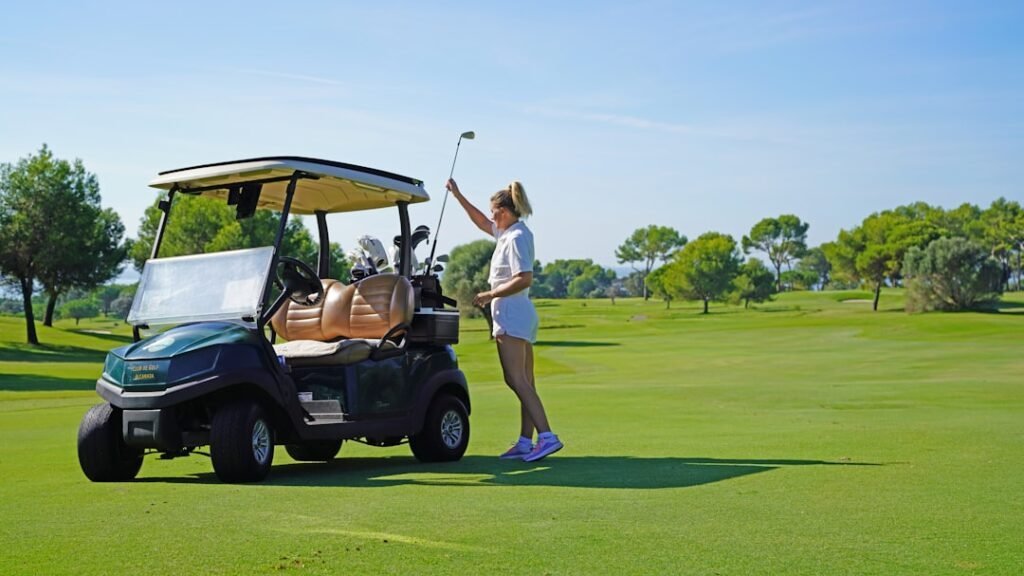
Home Golf Practice: Understanding the Risks
Practicing golf at home involves several important safety considerations. The primary concern is injury prevention, both for the golfer and others in the vicinity. Swinging golf clubs in limited spaces creates significant hazards, particularly when spatial awareness is compromised.
Property damage is another substantial risk, potentially affecting personal belongings, neighboring properties, and public areas. A thorough risk assessment is essential for maintaining safety during home practice sessions. The psychological elements of home practice also present safety challenges.
Performance pressure can generate frustration, which may lead to impaired judgment and unsafe behaviors. Examples include excessive swing force or failing to properly assess surroundings before striking the ball. Identifying these risks in advance allows for effective preventative measures and creates a more secure practice environment.
Key Takeaways
- Recognize and mitigate risks associated with practicing golf at home to ensure safety.
- Select and prepare a suitable location that minimizes hazards and protects property.
- Use appropriate equipment and establish clear safety rules to prevent accidents.
- Protect others nearby by maintaining safe distances and securing the practice area.
- Consider weather conditions and seek professional advice to enhance home golf practice safety.
Choosing the Right Location for Home Golf Practice
Selecting the right location for our home golf practice is a critical step in ensuring safety and effectiveness. Ideally, we want a space that is both spacious and free from obstructions. A backyard or a large open area is often the best choice, as it allows us to swing freely without worrying about hitting anything or anyone.
If we live in an apartment or a smaller home, we might need to get creative, perhaps utilizing a garage or even a designated room with ample space. In addition to space, we should also consider the surface on which we will be practicing. Grass is ideal for practicing our short game, while a flat, hard surface can be better for putting drills.
We must also be mindful of the proximity to neighbors and public areas; practicing too close to others can increase the risk of accidents and create disturbances. By carefully choosing our practice location, we can set ourselves up for success while minimizing potential hazards.
Setting Up a Safe Practice Area

Once we have chosen the right location for our home golf practice, the next step is to set up a safe practice area. This involves creating a designated space where we can focus on our game without distractions or hazards. We should clear away any obstacles that could interfere with our swing or pose a risk of injury.
This includes removing furniture, toys, or any other items that could be in the way. Additionally, we might want to consider using safety nets or barriers to protect ourselves and our surroundings from stray golf balls. These nets can help contain any errant shots and prevent damage to property or injury to others.
By taking the time to establish a well-defined and secure practice area, we can enhance our focus and enjoyment while reducing the likelihood of accidents.
Using the Right Equipment for Home Golf Practice
The equipment we choose for our home golf practice plays a significant role in ensuring safety and effectiveness. It’s essential that we use clubs that are appropriate for our skill level and practice goals. For instance, if we are focusing on our short game, having a few wedges and putters on hand will be more beneficial than using a driver in a confined space.
Moreover, investing in practice aids such as alignment sticks or putting mats can enhance our training experience while keeping safety in mind. These tools not only help us improve our technique but also reduce the risk of injury by promoting proper form and control during practice sessions. By selecting the right equipment tailored to our needs, we can maximize our practice time while minimizing potential hazards.
Establishing Safety Rules for Home Golf Practice
| Safety Aspect | Recommended Action | Frequency | Benefit |
|---|---|---|---|
| Golf Club Storage | Store clubs in a secure rack away from children | Daily | Prevents accidental injuries and damage to clubs |
| Golf Ball Handling | Keep golf balls in designated containers | After each use | Reduces risk of tripping and choking hazards |
| Practice Area Setup | Use netting and barriers to contain balls | Before each practice session | Protects property and bystanders from stray balls |
| Lighting | Ensure adequate lighting in practice areas | Regularly, especially before evening use | Prevents accidents and improves visibility |
| Surface Maintenance | Keep practice surfaces even and free of debris | Weekly | Reduces risk of slips and falls |
| Protective Gear | Wear appropriate footwear and gloves | Every practice session | Enhances grip and prevents injuries |
| Emergency Preparedness | Keep first aid kit accessible | Check monthly | Allows quick response to injuries |
| Weather Awareness | Avoid practice during storms or high winds | As needed | Prevents accidents related to weather conditions |
To ensure a safe environment during our home golf practice, it’s crucial that we establish clear safety rules. These rules should be communicated to everyone involved in the practice sessions, including family members or friends who may be nearby. For instance, we should always announce when we are about to take a shot, allowing others to clear the area and avoid any potential accidents.
Additionally, we should set guidelines regarding the number of people allowed in the practice area at one time. Limiting the number of participants can help maintain focus and reduce distractions, ultimately leading to safer practice sessions. By creating and adhering to these safety rules, we foster an environment where everyone can enjoy practicing golf without unnecessary risks.
Protecting Your Property from Damage
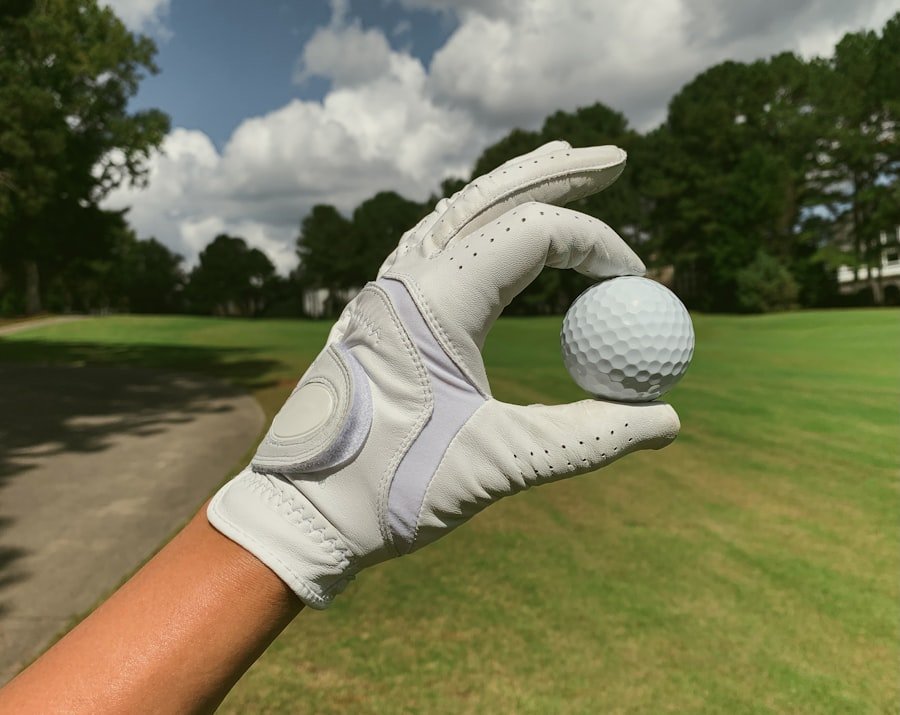
As we engage in home golf practice, protecting our property from damage should be a top priority. Golf balls can cause significant harm if they strike windows, vehicles, or other structures around our home. To mitigate this risk, we should consider installing protective barriers such as nets or screens that can absorb the impact of stray shots.
Furthermore, it’s wise to assess our surroundings before starting a practice session. We should take note of any vulnerable areas that could be at risk of damage and adjust our practice accordingly. For example, if there are windows nearby, we might choose to focus on shorter shots or use softer balls designed for indoor use.
By being proactive about protecting our property, we can enjoy our practice sessions without worrying about costly repairs.
Ensuring the Safety of Others in the Area
While practicing golf at home, it’s essential that we remain mindful of the safety of others in the vicinity. This includes family members who may be nearby as well as neighbors and passersby. Before starting our practice session, we should take a moment to assess who might be in the area and ensure they are at a safe distance from our practice zone.
We should also consider scheduling our practice sessions at times when fewer people are likely to be around. Early mornings or late afternoons may be ideal for minimizing disturbances and ensuring everyone’s safety. By being considerate of others and taking steps to keep them safe during our practice sessions, we create a more harmonious environment for everyone involved.
Properly Storing Golf Equipment to Prevent Accidents
Proper storage of our golf equipment is another crucial aspect of maintaining safety during home practice. After each session, we should make it a habit to store clubs and other gear in designated areas where they won’t pose tripping hazards or become projectiles if accidentally knocked over. Using storage solutions such as racks or bags can help keep everything organized and out of the way.
Additionally, we should ensure that any sharp objects associated with our equipment—such as tees or divot tools—are stored safely away from children or pets who might inadvertently come into contact with them. By taking these precautions with our equipment storage, we can significantly reduce the risk of accidents occurring both during and after our practice sessions.
Maintaining a Safe Distance from Windows and Other Breakable Items
One of the most significant risks associated with home golf practice is the potential for breaking windows or damaging other fragile items within our vicinity. To mitigate this risk, it’s essential that we maintain a safe distance from any breakable objects when practicing. This means being aware of where windows are located and adjusting our stance accordingly.
We might also want to consider using softer balls designed for indoor use if practicing near windows or delicate items is unavoidable. These balls are less likely to cause damage if they do happen to stray off course. By being vigilant about maintaining distance from breakable items and using appropriate equipment, we can enjoy practicing without fear of causing damage.
Being Mindful of Weather Conditions and Their Impact on Safety
Weather conditions play a significant role in ensuring safety during home golf practice. Practicing outdoors during inclement weather—such as rain or high winds—can increase the risk of accidents and injuries. Wet surfaces can lead to slips and falls, while strong winds can affect our swing and control over the ball.
Before heading out for a practice session, it’s essential that we check the weather forecast and assess whether conditions are suitable for practicing golf safely. If conditions are less than ideal, it may be wise to postpone our session until the weather improves. By being mindful of weather conditions and their impact on safety, we can make informed decisions about when and how to practice effectively.
Seeking Professional Guidance for Home Golf Practice Safety
Finally, seeking professional guidance can greatly enhance our understanding of safety during home golf practice. Many golf instructors offer advice on how to create safe practice environments tailored to individual needs and circumstances. They can provide insights into proper techniques that minimize risks while maximizing effectiveness.
Additionally, professional guidance can help us identify specific areas where we may need improvement in terms of safety practices. Whether it’s learning how to properly store equipment or understanding how to choose appropriate locations for practice, expert advice can be invaluable in ensuring that we maintain a safe environment while pursuing our passion for golf at home. In conclusion, practicing golf at home can be an enjoyable and rewarding experience if approached with caution and mindfulness regarding safety risks.
By understanding these risks and taking proactive measures—such as choosing appropriate locations, setting up safe areas, using suitable equipment, establishing safety rules, protecting property from damage, ensuring others’ safety, properly storing equipment, maintaining distance from breakables, being mindful of weather conditions, and seeking professional guidance—we can create an environment conducive to effective practice while minimizing potential hazards. With careful planning and consideration, we can enjoy honing our skills without compromising safety for ourselves or those around us.
For those looking to enhance their home golf experience while ensuring safety, the article on building a successful home practice culture is a valuable resource. It provides insights on how to create a productive environment that not only fosters improvement but also prioritizes safety measures. You can read more about it in the article titled How to Build a Successful Home Practice Culture and Stick to Your Routine.
FAQs
What are the common safety hazards associated with home golf practice?
Common safety hazards include flying golf balls causing injury or property damage, improper use of golf equipment, and inadequate protective barriers that fail to contain errant shots.
How can I protect my property from golf ball damage?
You can protect your property by installing netting or barriers around your practice area, using impact-resistant materials for windows and outdoor furniture, and positioning your practice area away from fragile or valuable items.
What safety equipment is recommended for home golf practice?
Recommended safety equipment includes golf nets or cages, protective screens, helmets or headgear if practicing with high-speed shots, and proper footwear to prevent slips and falls.
How should I set up a safe home golf practice area?
Choose a spacious area free from obstacles, install sturdy nets or barriers to catch golf balls, ensure good lighting, and keep bystanders at a safe distance during practice.
Are there specific guidelines for practicing golf indoors safely?
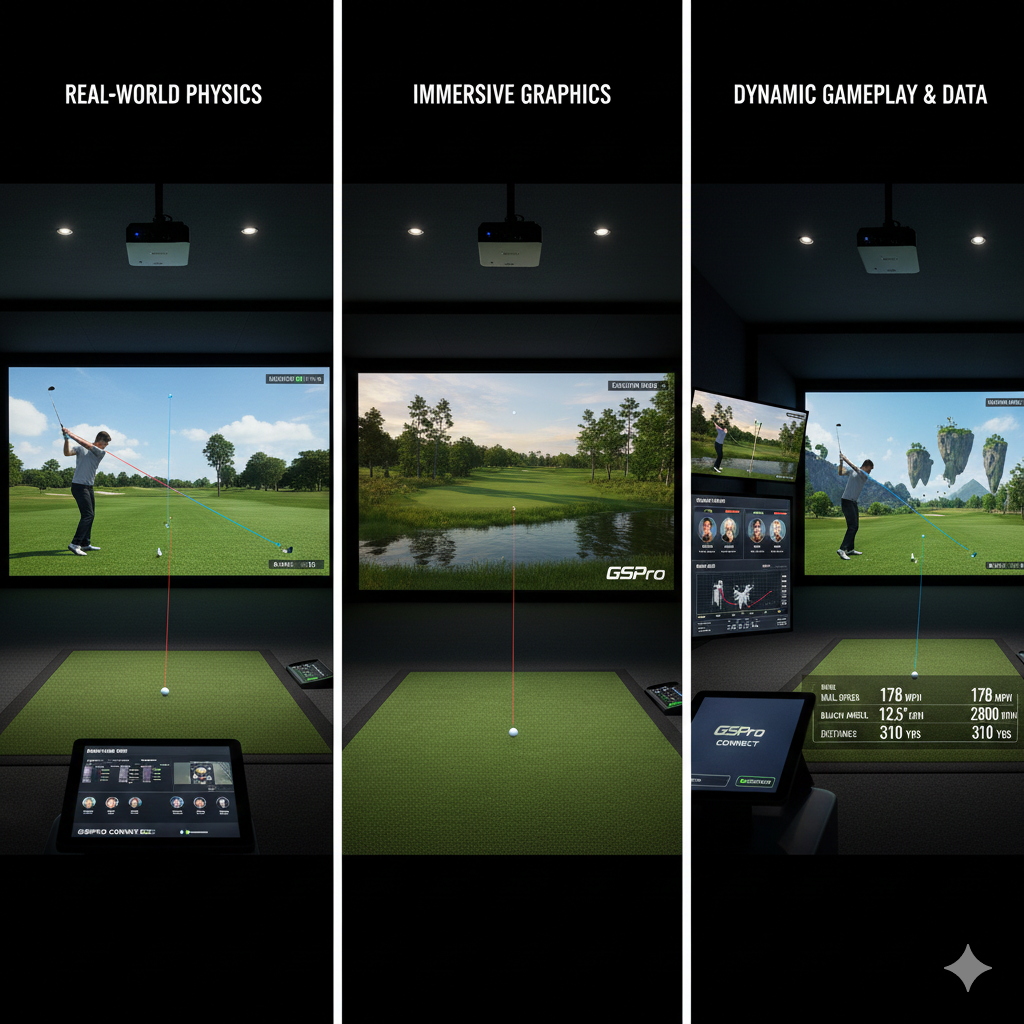
Yes, when practicing indoors, use soft or foam balls, ensure ample space to avoid hitting walls or furniture, use protective netting, and consider using simulators designed for indoor use.
What steps can I take to prevent injuries while practicing golf at home?
Warm up properly, use correct swing techniques, maintain equipment in good condition, keep the practice area clear of hazards, and always be aware of your surroundings.
How can I ensure the safety of children and pets during home golf practice?
Keep children and pets away from the practice area, supervise them closely, use barriers to restrict access, and educate them about the dangers of flying golf balls and swinging clubs.
Is it necessary to have insurance coverage for home golf practice?
While not always mandatory, having homeowner’s insurance that covers accidental property damage or injury related to home golf practice is advisable for added protection.
What maintenance is required to keep a home golf safety setup effective?
Regularly inspect nets and barriers for wear and tear, repair or replace damaged equipment promptly, and keep the practice area clean and free of debris.
Can practicing golf at home improve my skills safely?
Yes, with proper safety measures in place, home golf practice can be an effective and safe way to improve your skills without risking injury or property damage.
Pingback: Space-Saving Hacks for the Minimalist Golfer's Home Studio - Golf Edge Pro
Pingback: Acoustic Science: Treating Echo & Reverb in Your Sim Room - Golf Edge Pro
Pingback: Room Width and Depth Needed for Golf Simulators - Golf Edge Pro
Pingback: Green Reading Lab: DIY Tools to Master Break and Speed - Golf Edge Pro