
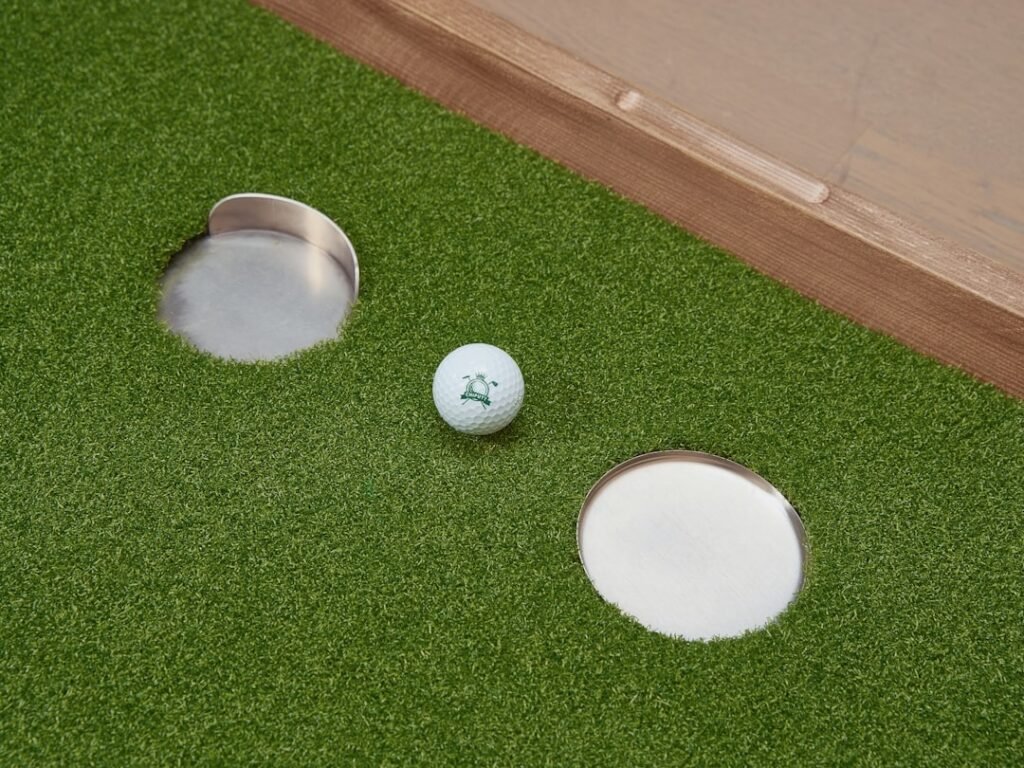
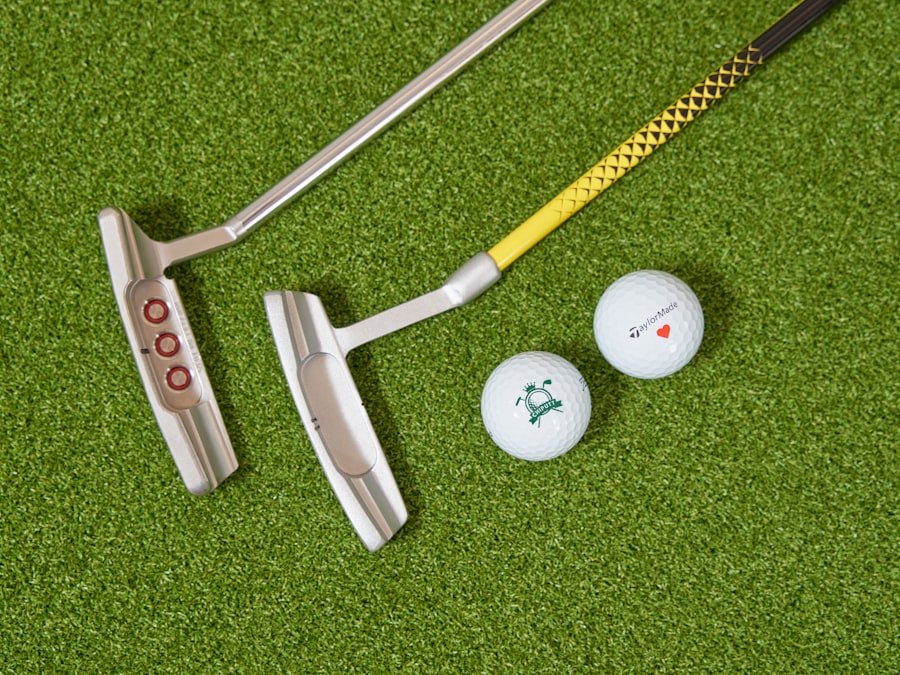
Proper alignment is a critical component of effective putting technique. The putting alignment drill serves as a foundational exercise for developing consistent setup positioning and stroke mechanics. This drill requires placing two alignment sticks or golf clubs parallel to each other on the ground, with both pointing toward the intended target.
This configuration creates a visual reference system that enables golfers to verify correct positioning of their feet, hips, and shoulders relative to the target line. Regular practice of this drill develops muscle memory that improves putting accuracy during actual play. The drill can be enhanced by incorporating a ball position verification component.
Positioning a golf ball at the center point between the alignment sticks allows practitioners to focus on stroke execution while maintaining proper ball contact along the target line. This modification addresses both alignment accuracy and stroke consistency simultaneously. The drill reinforces the mechanics of a controlled, smooth putting stroke.
Consistent practice with this alignment system typically results in improved putting performance, increased confidence on the greens, and reduced scores.
Key Takeaways
- Alignment and chipping drills improve precision and setup consistency.
- Distance control and swing plane exercises enhance shot accuracy.
- Balance, stability, and core strength drills support powerful, controlled swings.
- Tempo, rhythm, grip, and hand position drills refine swing mechanics.
- Visualization, mental focus, flexibility, and mobility exercises boost overall performance.
Chipping Accuracy Drill
When it comes to chipping, accuracy is paramount. The chipping accuracy drill is designed to sharpen our skills around the greens, allowing us to get up and down more often. To set up this drill, we can create a target area using towels or cones at varying distances from our chipping spot.
By focusing on landing the ball within these designated zones, we can work on our precision and touch. This exercise encourages us to visualize our shots and develop a feel for different lies and conditions. As we practice this drill, we should pay close attention to our stance and grip.
A solid foundation is essential for executing accurate chips. We can experiment with different clubs to see how they affect our distance control and trajectory. By varying our approach and practicing with both short and long chips, we will become more versatile around the greens.
Over time, this drill will help us develop a reliable chipping technique that translates into lower scores and greater confidence in our short game.
Pitching Distance Control Drill
Distance control is a critical aspect of pitching that can make or break our performance on the course. The pitching distance control drill focuses on honing our ability to gauge how far we can hit the ball with different clubs and swings. To begin, we can select a target area on the practice green and mark various distances from our starting point.
By using different clubs and adjusting our swing length, we can practice hitting the ball to each target with precision. During this drill, it’s essential for us to maintain a consistent rhythm and tempo. We should focus on making smooth swings while keeping our eyes on the target.
As we become more comfortable with each distance, we can challenge ourselves by adding obstacles or varying the lies from which we pitch. This will not only improve our distance control but also enhance our adaptability in real-game situations. Ultimately, this drill will empower us to approach each shot with confidence, knowing that we have practiced the necessary skills to execute effectively.
Swing Plane Drill
The swing plane is a crucial element of our golf swing that directly impacts accuracy and consistency. The swing plane drill helps us develop an understanding of the correct path our club should take during the swing. To start, we can use an alignment stick or a club laid on the ground at an angle that represents our ideal swing plane.
By practicing our swings while keeping the clubhead on this path, we can reinforce proper mechanics and improve our overall performance. As we work through this drill, it’s important for us to focus on maintaining balance throughout the swing. We should pay attention to how our body moves in relation to the clubhead and ensure that we are not over-rotating or swaying during the motion.
By recording ourselves or working with a coach, we can gain valuable feedback on our swing plane and make necessary adjustments. Over time, this drill will help us develop a more efficient swing that leads to better ball striking and increased distance.
Balance and Stability Exercise
| Drill Name | Space Required | Equipment Needed | Primary Focus | Duration per Session | Effectiveness Rating (1-10) |
|---|---|---|---|---|---|
| Putting Alignment Drill | Small (3×3 feet) | Golf ball, putter, alignment stick or string | Putting accuracy and alignment | 10-15 minutes | 8 |
| Swing Plane Drill | Small (5×5 feet) | Golf club, alignment stick or broomstick | Correct swing path and plane | 10-20 minutes | 9 |
| Grip Pressure Drill | Very Small (2×2 feet) | Golf club | Proper grip pressure and feel | 5-10 minutes | 7 |
| Chipping Target Drill | Small (4×4 feet) | Wedge, golf balls, small target (like a towel) | Chipping accuracy and distance control | 15-20 minutes | 8 |
| Balance and Posture Drill | Small (3×3 feet) | Golf club or none | Maintaining balance and proper posture | 10 minutes | 8 |
| Slow Motion Swing Drill | Small (5×5 feet) | Golf club | Muscle memory and swing mechanics | 10-15 minutes | 9 |
Balance and stability are often overlooked aspects of our golf game, yet they play a significant role in our overall performance. The balance and stability exercise is designed to strengthen our core muscles and improve our ability to maintain control throughout the swing. One effective way to practice this is by using a balance board or performing single-leg exercises.
These activities challenge our stability while mimicking the movements we make during a golf swing. Incorporating balance exercises into our routine not only enhances our physical capabilities but also builds mental focus. As we work on maintaining balance in various positions, we become more aware of how our body moves during the swing.
This awareness translates into improved performance on the course as we learn to control our movements better. By committing to regular balance training, we will find ourselves more stable during swings, leading to greater consistency and accuracy.
Clubhead Speed Drill
Increasing clubhead speed is a goal for many golfers looking to add distance to their shots. The clubhead speed drill focuses on developing explosive power through proper technique and strength training. To begin, we can use a weighted club or resistance bands to simulate the swinging motion while building strength in our muscles.
This exercise allows us to work on generating speed without sacrificing control. As we practice this drill, it’s essential for us to maintain proper form throughout the swing. We should focus on engaging our core and using our lower body effectively to generate power.
Additionally, incorporating plyometric exercises into our training regimen can further enhance our explosiveness and speed. By consistently working on these drills, we will notice an increase in clubhead speed, resulting in longer drives and improved overall performance on the course.
Tempo and Rhythm Exercise
Tempo and rhythm are vital components of a successful golf swing that often go unnoticed until something feels off. The tempo and rhythm exercise helps us develop a smooth, consistent swing by focusing on timing and flow. One effective way to practice this is by using a metronome or counting out loud as we swing.
By establishing a steady beat, we can train ourselves to maintain a consistent tempo throughout our swings. In addition to using external cues like a metronome, we can also incorporate visualization techniques into this exercise. Imagining ourselves swinging in slow motion allows us to feel each part of the swing without rushing through it.
As we continue practicing with these methods, we will find that our swings become more fluid and controlled, leading to improved accuracy and distance on the course.
Grip and Hand Position Drill
The grip is one of the most critical aspects of our golf game that directly influences how we control the clubface at impact. The grip and hand position drill focuses on developing a proper grip that promotes consistency and accuracy in our shots. To start, we can experiment with different grip styles—such as overlapping, interlocking, or ten-finger grips—to find what feels most comfortable for us.
As we practice this drill, it’s essential for us to pay attention to how our hands interact with the club throughout the swing. We should focus on maintaining pressure in the fingers while allowing for flexibility in the wrists. Recording ourselves or seeking feedback from a coach can provide valuable insights into how our grip affects our shots.
By committing to refining our grip technique, we will notice improvements in ball striking and overall performance.
Core Strength and Rotation Exercise
A strong core is fundamental for generating power and maintaining stability during our golf swing. The core strength and rotation exercise focuses on building strength in our abdominal muscles while enhancing rotational mobility. One effective way to practice this is through medicine ball exercises or rotational cable workouts that mimic the movements of a golf swing.
As we engage in these exercises, it’s important for us to maintain proper posture and alignment throughout each movement. We should focus on engaging our core muscles while allowing for smooth rotation through the hips and shoulders. By incorporating core strength training into our routine, we will develop greater power in our swings while improving balance and stability during play.
Visualization and Mental Focus Drill
The mental aspect of golf is just as important as the physical side of the game. The visualization and mental focus drill helps us develop a strong mental game by encouraging us to visualize successful shots before executing them. To practice this technique, we can take time before each round or practice session to close our eyes and imagine ourselves hitting perfect shots—focusing on every detail from stance to follow-through.
In addition to visualization, incorporating mindfulness techniques into this exercise can further enhance our mental focus. Practicing deep breathing or meditation allows us to clear distractions from our minds and concentrate solely on the task at hand. As we continue honing these mental skills, we will find ourselves more composed under pressure, leading to improved performance during competitive play.
Flexibility and Mobility Exercise
Flexibility plays an essential role in achieving an effective golf swing by allowing for greater range of motion throughout each movement. The flexibility and mobility exercise focuses on stretching key muscle groups involved in the golf swing—such as the hips, shoulders, and back—to enhance overall performance. Incorporating dynamic stretches before practice sessions or rounds can help prepare our bodies for movement while reducing the risk of injury.
In addition to dynamic stretching routines, incorporating yoga or Pilates into our training regimen can further improve flexibility and mobility over time. These practices not only enhance physical capabilities but also promote relaxation and mental clarity—both crucial elements for success on the course. By committing to regular flexibility training, we will notice improvements in our swing mechanics as well as overall comfort during play.
In conclusion, by incorporating these drills into our practice routines, we can significantly enhance various aspects of our golf game—from putting alignment to mental focus—ultimately leading us toward lower scores and greater enjoyment of this wonderful sport.
If you’re looking to enhance your golf skills without the need for expensive equipment or a large practice area, you might find the article on the importance of proper technique in golf training particularly useful. This article complements the tips provided in “Most Effective Golf Drills You Can Do in a Small Space (Without Expensive Gear)” by emphasizing how mastering your swing mechanics can lead to significant improvements. For more insights, check out the article on the [Golf Edge Pro website](https://golfedgepro.com/about/).
FAQs
What are some effective golf drills that can be done in a small space?
Effective golf drills for small spaces include putting practice with a carpet or putting mat, chipping into a net or target area, swing plane drills using alignment sticks, and grip and posture exercises. These drills focus on improving accuracy, control, and swing mechanics without requiring a large area.
Do I need expensive golf equipment to practice these drills?
No, you do not need expensive golf equipment to practice effective golf drills in a small space. Many drills can be done using basic items like golf balls, a putter, alignment sticks, or even household objects. Affordable practice aids such as putting mats or nets can enhance training but are not essential.
How can I practice my golf swing indoors without damaging my surroundings?
To practice your golf swing indoors safely, use soft foam or plastic practice balls, swing slowly, and ensure there is enough clearance around you. Using a golf net or hitting into a padded area can help prevent damage. Additionally, focusing on swing drills that emphasize form rather than full swings can reduce risk.
Can practicing golf drills in a small space improve my overall game?
Yes, practicing golf drills in a small space can significantly improve your overall game. Consistent practice of putting, chipping, and swing mechanics helps develop muscle memory, accuracy, and control, which are essential for better performance on the course.
How often should I practice golf drills in a small space to see improvement?
Regular practice is key to improvement. Practicing golf drills in a small space for 15 to 30 minutes several times a week can lead to noticeable progress. Consistency and focused practice on specific skills will yield the best results.
Are there any safety tips to keep in mind when practicing golf drills at home?
Yes, safety tips include ensuring you have enough space to swing without hitting objects or people, using soft or practice balls indoors, and being mindful of your surroundings. It’s also important to warm up properly to avoid injury and to use appropriate equipment for indoor practice.

Pingback: The 30-Day Home Studio Challenge: A Structured Plan to Lower Your Handicap - Golf Edge Pro
Pingback: Building a Distance: Home Drills to Increase Your Clubhead Speed - Golf Edge Pro
Pingback: Home Studio Fitness: Golf-Specific Workouts to Do Alongside Your Practice - Golf Edge Pro
Pingback: Getting the Family Involved: Fun Golf Games for Non-Golfers at Home - Golf Edge Pro
Pingback: Practice Ball Lifecycle: Sort, Clean, Recycle for Better Data - Golf Edge Pro