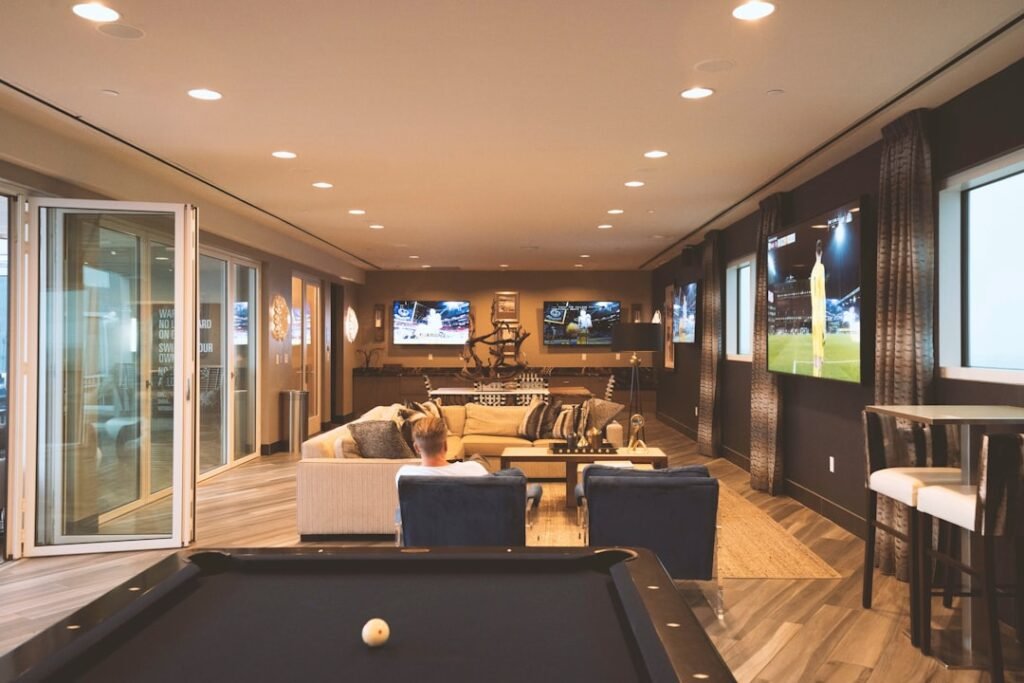

Soundproofing serves as an effective solution for reducing unwanted noise in residential environments. Urban areas and densely populated neighborhoods generate significant noise pollution from traffic, construction, and neighboring activities. Research indicates that prolonged exposure to noise levels above 55 decibels can contribute to stress-related health problems, sleep disruption, and reduced cognitive performance.
Effective soundproofing involves controlling sound transmission through walls, floors, ceilings, and openings such as doors and windows. This process utilizes materials and techniques that absorb, block, or dampen sound waves. Common soundproofing materials include mass-loaded vinyl, acoustic foam, fiberglass insulation, and specialized drywall systems.
The effectiveness of soundproofing is measured using Sound Transmission Class (STC) ratings, with higher ratings indicating better noise reduction performance. Proper soundproofing implementation can reduce noise transmission by 10 to 50 decibels, depending on the materials used and installation quality. This reduction creates more suitable environments for activities requiring concentration, such as remote work, studying, or audio recording.
Additionally, soundproofing can prevent sound from escaping rooms, which benefits households with musical instruments, home theaters, or other noise-generating activities.
Key Takeaways
- Soundproofing enhances home comfort by reducing noise disturbances, especially in dedicated spaces like golf practice rooms.
- Proper assessment of your home’s noise issues helps determine the most effective soundproofing solutions.
- Selecting suitable materials and techniques for walls, ceilings, floors, doors, and windows is crucial for optimal noise reduction.
- Installing acoustic panels, soundproof curtains, insulation, and sealants significantly improves sound isolation.
- Regular maintenance and upgrades ensure long-term effectiveness, allowing you to enjoy a quiet and peaceful home golf practice environment.
Assessing Your Home for Soundproofing Needs
Before embarking on our soundproofing journey, it is essential to assess our homes to identify specific areas that require attention. We should start by evaluating the sources of noise that affect us the most. This could include external factors such as traffic, construction, or nearby entertainment venues, as well as internal sources like loud appliances or conversations from other rooms.
By pinpointing these noise sources, we can prioritize which areas need immediate soundproofing solutions. Next, we should examine the construction of our homes. Older buildings may have less effective sound insulation compared to newer ones, making them more susceptible to noise infiltration.
We can check for gaps around windows and doors, thin walls, and inadequate insulation in ceilings and floors. By conducting a thorough assessment, we can develop a tailored soundproofing plan that addresses our unique needs and ensures that we achieve the desired level of quiet in our living spaces.
Choosing the Right Materials for Soundproofing
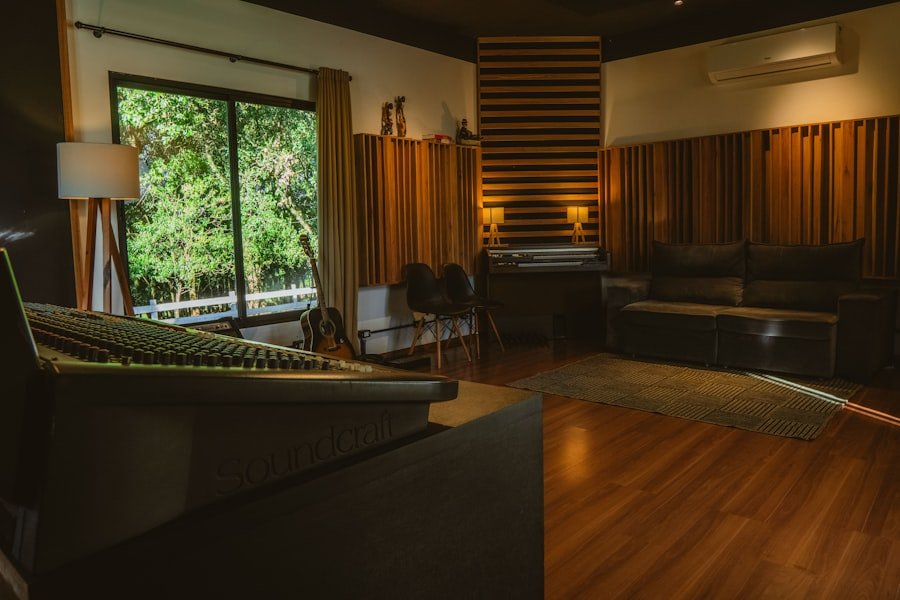
Once we have identified the areas that need soundproofing, the next step is selecting the appropriate materials for the job. There is a wide range of soundproofing materials available, each with its own unique properties and benefits. For instance, mass-loaded vinyl is an excellent choice for adding density to walls and ceilings, effectively blocking sound transmission.
Acoustic foam panels are another popular option, particularly for reducing echo and improving sound quality in a room. In addition to these specialized materials, we should also consider traditional options such as heavy curtains and carpets. These items can absorb sound and reduce noise levels significantly when strategically placed in our homes.
Ultimately, the key is to choose materials that align with our specific soundproofing goals while also complementing our home’s aesthetic. By carefully selecting the right materials, we can create an effective soundproofing solution that enhances both comfort and style.
Soundproofing Techniques for Walls and Ceilings
When it comes to soundproofing walls and ceilings, there are several techniques we can employ to achieve optimal results. One effective method is to add an extra layer of drywall with sound-dampening properties. This technique not only increases the mass of the wall but also helps to absorb sound vibrations.
Additionally, we can use resilient channels to decouple the drywall from the studs, further reducing sound transmission between rooms. Another approach involves using acoustic insulation within wall cavities. This type of insulation is specifically designed to absorb sound waves and minimize noise transfer between spaces.
By combining these techniques, we can create a robust sound barrier that significantly reduces unwanted noise from entering or leaving a room. As we implement these strategies, we will notice a marked improvement in our home’s overall acoustics.
Soundproofing Techniques for Floors
| Soundproofing Method | Estimated Noise Reduction (dB) | Cost Range | Installation Difficulty | Effectiveness for Golf Practice |
|---|---|---|---|---|
| Acoustic Panels | 10-20 dB | Moderate | Easy to Moderate | High – Absorbs ball impact and swing noise |
| Carpet or Rubber Flooring | 5-15 dB | Low to Moderate | Easy | Moderate – Reduces impact noise from footfalls and ball drops |
| Weatherstripping Doors and Windows | 5-10 dB | Low | Easy | Moderate – Prevents sound leakage |
| Mass Loaded Vinyl (MLV) Barriers | 20-30 dB | Moderate to High | Moderate | High – Blocks sound transmission through walls |
| Double Drywall with Green Glue | 25-35 dB | High | High | Very High – Excellent for reducing impact and airborne noise |
| Soundproof Curtains | 5-10 dB | Low to Moderate | Easy | Low to Moderate – Helps with echo and window noise |
Soundproofing floors is equally important in creating a quiet home environment. One effective technique is to install soundproof underlayment beneath flooring materials such as hardwood or laminate. This underlayment acts as a cushion that absorbs impact noise and reduces vibrations that travel through the floor.
Additionally, area rugs can be strategically placed in high-traffic areas to further dampen sound and enhance comfort. For those with basements or multi-story homes, we should consider using acoustic insulation between floors. This insulation helps to minimize noise transfer from one level to another, ensuring that sounds from footsteps or dropped objects do not disturb occupants below.
By implementing these floor soundproofing techniques, we can create a more serene atmosphere throughout our homes.
Soundproofing Doors and Windows
Doors and windows are often weak points in our home’s soundproofing efforts. To effectively reduce noise infiltration through these openings, we should consider upgrading to solid-core doors, which provide better sound insulation than hollow-core options. Additionally, weatherstripping can be applied around door frames to seal any gaps that may allow sound to leak through.
When it comes to windows, double or triple-pane glass is an excellent investment for enhancing soundproofing capabilities. These windows are designed with multiple layers of glass separated by air or gas-filled spaces, which significantly reduce noise transmission from outside. For added protection, we can also use heavy curtains or acoustic window inserts that further block out unwanted sounds while adding an element of style to our interiors.
Creating a Soundproof Home Golf Room
For golf enthusiasts like us who want to practice indoors without disturbing others or being disturbed by external noise, creating a soundproof home golf room is an exciting project. The first step is selecting an appropriate space within our homes that can be dedicated to this purpose. Ideally, this room should be away from high-traffic areas and external noise sources.
Once we have chosen the location, we can implement various soundproofing techniques discussed earlier—such as adding acoustic panels on walls and ceilings and using thick carpets or mats on the floor to absorb impact sounds from swings and ball strikes. Additionally, incorporating specialized golf simulators with built-in sound dampening features can enhance our practice experience while keeping noise levels in check. By thoughtfully designing our golf room with soundproofing in mind, we can enjoy uninterrupted practice sessions at any time of day.
Installing Acoustic Panels and Soundproofing Curtains
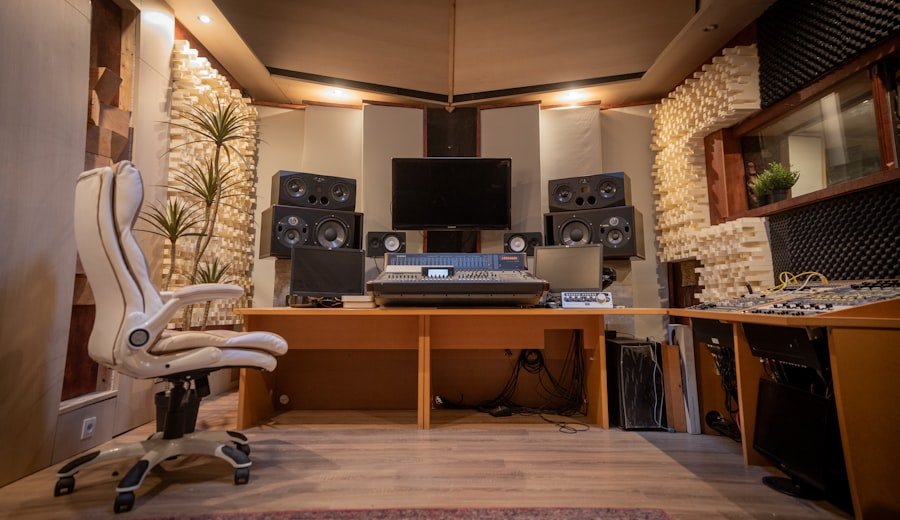
Acoustic panels are an effective way to improve sound quality within a room while also contributing to overall soundproofing efforts. These panels are designed to absorb sound waves and reduce echo, making them ideal for spaces where clarity of sound is essential—such as our home golf room or entertainment areas. We can install these panels strategically on walls or ceilings to maximize their effectiveness.
In addition to acoustic panels, soundproofing curtains offer another layer of protection against external noise. These heavy drapes are made from dense materials that block out sound while also providing privacy and light control. By combining both acoustic panels and soundproofing curtains in our spaces, we can create an environment that not only minimizes unwanted noise but also enhances the overall aesthetic appeal of our homes.
Using Soundproofing Insulation and Sealants
Soundproofing insulation plays a crucial role in minimizing noise transfer between rooms and from outside sources. We should consider using specialized acoustic insulation materials within walls, ceilings, and floors during renovations or new construction projects. These materials are designed specifically for their sound-absorbing properties and can significantly improve our home’s overall acoustics.
In addition to insulation, sealants are essential for closing gaps and cracks that may allow sound to seep through. We can apply acoustic caulk around windows, doors, and baseboards to create airtight seals that prevent noise infiltration. By combining effective insulation with high-quality sealants, we can ensure that our homes remain quiet sanctuaries free from disruptive sounds.
Maintaining and Upgrading Your Soundproofing System
Once we have implemented various soundproofing measures in our homes, it is important to maintain and periodically upgrade these systems to ensure their continued effectiveness. Regular inspections of doors, windows, and seals will help us identify any wear or damage that may compromise our soundproofing efforts over time. Addressing these issues promptly will help us maintain a peaceful living environment.
Additionally, as new technologies and materials become available in the market, we should stay informed about advancements in soundproofing solutions. Upgrading certain elements—such as replacing old windows with newer models or adding additional layers of insulation—can further enhance our home’s ability to block out noise. By committing to ongoing maintenance and upgrades, we can ensure that our homes remain quiet retreats for years to come.
Enjoying a Quiet and Peaceful Home Golf Practice
Ultimately, the goal of all our soundproofing efforts is to create a quiet and peaceful environment where we can fully enjoy activities like practicing golf at home. With effective soundproofing measures in place, we can swing away without worrying about disturbing others or being distracted by external noises. This newfound tranquility allows us to focus on improving our skills while enjoying the comfort of our own space.
As we embrace this serene atmosphere, we will find that our overall enjoyment of home life increases significantly. Whether it’s perfecting our golf swing or simply relaxing with a good book, having a quiet home enhances every experience. By investing time and resources into thoughtful soundproofing solutions, we have transformed our living spaces into havens of peace—where every moment spent feels more fulfilling and enjoyable.
If you’re looking to enhance your home golf practice while keeping the noise to a minimum, you might find the article on how to convert your garage or spare room into the perfect golf studio particularly useful. This resource provides valuable insights on creating an ideal practice environment that complements the soundproofing techniques discussed in “Soundproofing 101: Keep Your Home Golf Practice Quiet and Peaceful.” By combining effective soundproofing with a well-designed practice space, you can enjoy your golf sessions without disturbing the peace of your home.
FAQs
What is soundproofing and why is it important for a home golf practice area?
Soundproofing involves using materials and techniques to reduce noise transmission. It is important for a home golf practice area to minimize the sound of golf swings and ball impacts, ensuring a quiet and peaceful environment for both the golfer and other household members or neighbors.
What materials are commonly used for soundproofing a home golf practice space?
Common soundproofing materials include acoustic foam panels, mass loaded vinyl, soundproof curtains, weatherstripping, and dense insulation. These materials help absorb and block sound waves, reducing noise levels effectively.
Can soundproofing completely eliminate noise from golf practice indoors?
While soundproofing can significantly reduce noise, it may not completely eliminate all sound. The effectiveness depends on the quality of materials used, the construction of the room, and the level of noise generated during practice.
Is it necessary to soundproof the entire room or just specific areas?
Focusing on key areas such as walls, doors, windows, and floors where sound can easily escape is usually sufficient. Treating these areas with soundproofing materials can greatly reduce noise transmission.
How can I soundproof doors and windows in my home golf practice area?
You can use weatherstripping to seal gaps around doors and windows, install soundproof curtains, or add acoustic panels. Replacing hollow-core doors with solid-core doors also helps reduce noise leakage.
Are there any DIY soundproofing options for home golf practice rooms?
Yes, DIY options include hanging heavy blankets or soundproof curtains, applying acoustic foam panels, sealing gaps with weatherstripping, and placing rugs or carpets on floors to absorb sound.
Does soundproofing affect the acoustics inside the practice room?
Yes, soundproofing materials can improve room acoustics by reducing echo and reverberation, creating a more controlled and pleasant sound environment for practice.
Can soundproofing help protect my hearing during indoor golf practice?
While soundproofing reduces noise transmission to other areas, it does not necessarily protect your hearing from loud impacts. Using ear protection is recommended if noise levels are high.
How much does it typically cost to soundproof a home golf practice area?
Costs vary widely depending on room size, materials used, and whether professional installation is required. Basic DIY soundproofing can be affordable, while professional solutions may be more expensive.
Are there any safety considerations when soundproofing a home golf practice space?
Ensure that soundproofing materials are non-toxic and fire-resistant. Also, maintain proper ventilation and avoid obstructing emergency exits when installing soundproofing treatments.