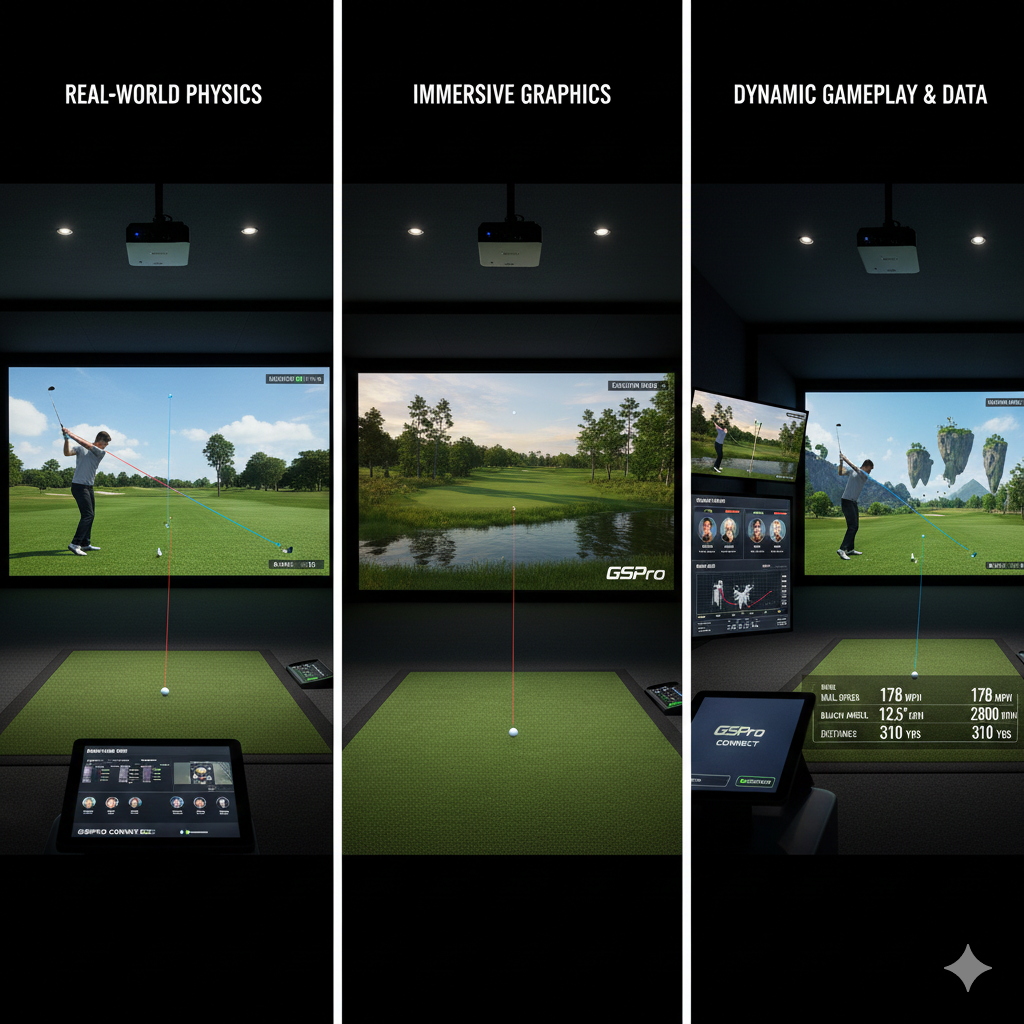

Home golf technology is experiencing significant advancement through the integration of artificial intelligence and virtual reality systems. Modern golf simulators now utilize high-resolution graphics and precise ball-tracking sensors to recreate authentic course conditions within residential spaces. These systems can accurately measure swing mechanics, ball trajectory, and impact data to provide detailed performance analytics.
AI-powered training platforms analyze player movements through motion capture technology, identifying technical flaws and suggesting specific improvements. Machine learning algorithms process swing data to create personalized coaching programs that adapt to individual skill levels and learning patterns. Virtual reality headsets enhance the immersive experience by providing 360-degree course visualization and realistic environmental conditions including wind patterns and terrain variations.
Current home golf systems feature launch monitors that track clubhead speed, ball spin rates, and launch angles with professional-grade accuracy. Advanced simulators incorporate weather simulation, course management scenarios, and multiplayer capabilities that enable remote competition with other players. These technological developments have made professional-level golf instruction and practice accessible in residential settings, reducing dependency on physical golf courses and weather conditions.
Key Takeaways
- AI and VR technologies are transforming home golf by enhancing training, simulation, and gameplay experiences.
- Integration of AI and VR in home golf simulators offers realistic and personalized practice environments.
- Future home golf tournaments will leverage AI and VR for immersive and competitive virtual events.
- AI and VR have the potential to innovate golf course design and improve equipment performance.
- While offering many advantages, AI and VR in home golf also face limitations that need addressing for widespread adoption.
The Role of Artificial Intelligence in Home Golf
Artificial intelligence is playing a pivotal role in revolutionizing home golf, offering us personalized experiences that were once unimaginable. By leveraging vast amounts of data, AI can analyze our performance, identify areas for improvement, and provide tailored recommendations. This level of customization allows us to focus on specific aspects of our game, whether it’s perfecting our swing or improving our putting accuracy.
The ability to receive instant feedback is invaluable, as it enables us to make adjustments in real-time, ultimately leading to faster progress. Moreover, AI is enhancing the way we engage with golf simulators. These advanced systems can simulate various course conditions and weather scenarios, providing us with a realistic golfing experience without ever leaving our homes.
By utilizing machine learning algorithms, these simulators can adapt to our playing style, offering challenges that are both enjoyable and educational. As we immerse ourselves in this technology, we find ourselves not just playing golf but also learning and evolving as players.
Virtual Reality and Its Impact on Home Golf
Virtual reality has emerged as a game-changer in the realm of home golf, allowing us to step into immersive environments that replicate the feel of being on an actual course. With VR headsets, we can experience breathtaking landscapes and challenging holes as if we were physically present on the green. This level of immersion not only enhances our enjoyment but also helps us develop a deeper understanding of course management and strategy.
The impact of VR extends beyond mere aesthetics; it also fosters social interaction among players. We can connect with friends or fellow golf enthusiasts from around the world, participating in virtual tournaments or simply enjoying a round together. This social aspect adds a new dimension to home golf, making it a communal experience rather than a solitary one.
As we navigate through these virtual worlds, we find ourselves forging connections and building relationships that transcend geographical boundaries.
The Integration of AI and VR in Home Golf Simulators
The integration of AI and VR in home golf simulators represents a significant leap forward in how we practice and play the game. By combining these two technologies, manufacturers are creating systems that not only simulate real-world courses but also adapt to our individual playing styles. This synergy allows us to engage with the game on a deeper level, as we receive real-time feedback while immersed in stunning virtual environments.
As we interact with these advanced simulators, we can analyze our performance metrics alongside the immersive visuals. For instance, AI can track our swing speed, ball trajectory, and even our stance, while VR provides a lifelike representation of how these factors affect our game. This comprehensive approach enables us to make informed decisions about our training regimens and helps us visualize improvements in a way that traditional methods simply cannot match.
How AI and VR are Revolutionizing Home Golf Training
| Technology | Key Features | Benefits for Home Golfers | Potential Challenges | Future Outlook |
|---|---|---|---|---|
| Artificial Intelligence (AI) | Shot analysis, personalized coaching, swing correction | Improved skill development, tailored practice plans, real-time feedback | Data privacy concerns, reliance on technology, cost of advanced systems | Increasing integration with smart devices and wearables for seamless training |
| Virtual Reality (VR) | Immersive golf course simulations, multiplayer modes, realistic physics | Access to world-class courses from home, enhanced engagement, social interaction | High initial setup cost, motion sickness for some users, space requirements | More realistic graphics and haptic feedback improving user experience |
| Augmented Reality (AR) | Overlay of data on real-world practice, interactive drills | Enhanced practice sessions, immediate visual feedback, gamification | Limited current hardware adoption, technical complexity | Growing adoption as AR glasses and devices become mainstream |
| Smart Sensors & Wearables | Swing trackers, biometric sensors, club sensors | Detailed performance metrics, injury prevention, progress tracking | Battery life, data accuracy, integration with other devices | More compact and accurate sensors with AI-driven insights |
| Home Simulator Systems | High-definition projectors, ball tracking, environmental controls | Year-round practice, weather-independent, customizable settings | Space requirements, initial investment, maintenance | More affordable and portable options emerging |
The combination of AI and VR is revolutionizing home golf training by creating an environment where we can learn and practice effectively. With AI-driven analytics, we can receive personalized coaching that identifies our strengths and weaknesses. This data-driven approach allows us to focus on specific areas for improvement, making our practice sessions more efficient and productive.
In addition to personalized coaching, VR offers us the opportunity to practice in various scenarios that we might encounter on an actual course. Whether it’s navigating tricky bunkers or dealing with challenging weather conditions, VR training prepares us for real-life situations. This immersive practice not only builds our skills but also boosts our confidence as we become more adept at handling diverse challenges on the course.
The Future of Home Golf Tournaments with AI and VR
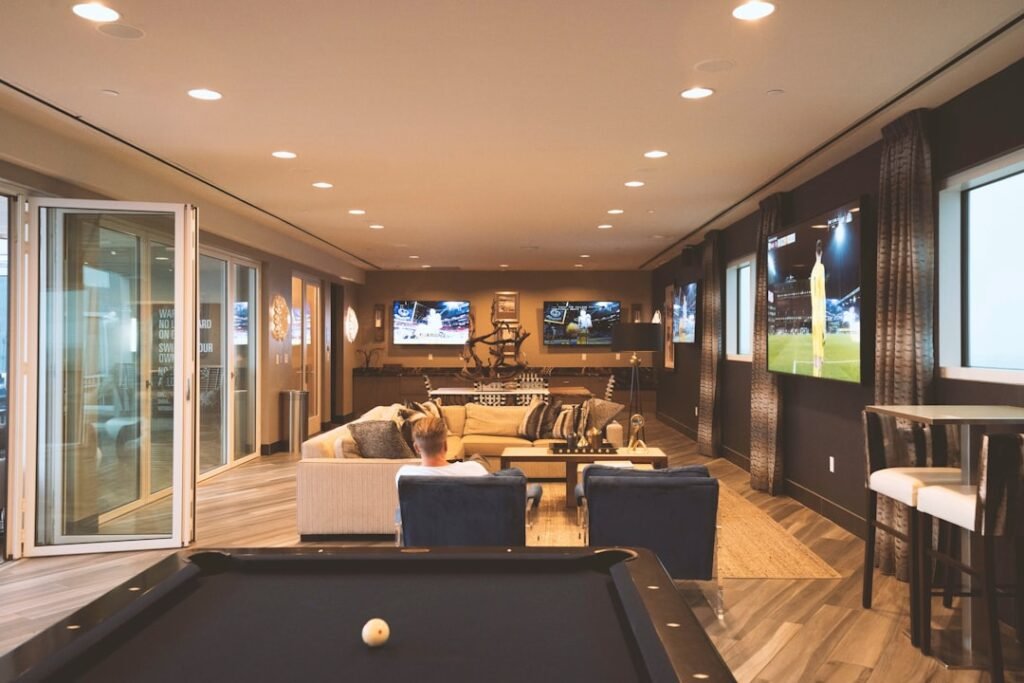
As we look ahead, the future of home golf tournaments is poised for transformation through the integration of AI and VR technologies. Imagine participating in virtual tournaments where players from around the globe compete in real-time on meticulously recreated courses. These events could be broadcasted live, allowing spectators to enjoy the excitement from their own homes while engaging with interactive features that enhance their viewing experience.
Furthermore, AI can play a crucial role in organizing these tournaments by analyzing player performance data and creating fair matchups based on skill levels. This ensures that competitions remain engaging and competitive for all participants. As we embrace this new era of home golf tournaments, we can expect an increase in accessibility and inclusivity, allowing more players to participate regardless of their geographical location or physical abilities.
The Potential for AI and VR to Enhance Home Golf Course Design
The potential for AI and VR to enhance home golf course design is another exciting aspect of this technological evolution. With advanced modeling software powered by AI, designers can create virtual courses that are not only visually stunning but also strategically challenging. These tools allow us to visualize how different elements—such as terrain, water hazards, and vegetation—interact within a course layout.
Moreover, VR technology enables us to experience these designs before they are built. We can walk through virtual representations of proposed courses, providing valuable feedback on layout and difficulty levels. This collaborative approach between designers and players ensures that new courses meet the needs and preferences of golfers while pushing the boundaries of creativity in course design.
The Advantages and Limitations of AI and VR in Home Golf
While the advantages of AI and VR in home golf are numerous, it is essential to acknowledge some limitations as well. On one hand, these technologies offer unparalleled opportunities for personalized training, immersive experiences, and enhanced social interactions. They allow us to practice anytime and anywhere while receiving instant feedback on our performance.
Additionally, they foster a sense of community among players who can connect virtually regardless of their physical location. On the other hand, there are challenges associated with these advancements. The cost of high-quality simulators and VR equipment can be prohibitive for some players, limiting access to these technologies.
Furthermore, while AI can provide valuable insights into our performance, it may not always capture the nuances of human intuition and creativity that come into play during a round of golf. As we navigate this landscape, it is crucial for us to balance technological advancements with the fundamental aspects of the game that make golf so enjoyable.
The Impact of AI and VR on Home Golf Equipment
The impact of AI and VR extends beyond training tools; it is also influencing the development of home golf equipment. Manufacturers are increasingly incorporating smart technology into clubs and balls that provide real-time data on performance metrics such as swing speed, launch angle, and spin rate. This data can be synced with AI-driven apps that analyze our performance over time, helping us make informed decisions about equipment upgrades or adjustments.
Additionally, VR technology is paving the way for innovative equipment testing experiences. We can virtually test different clubs or balls in simulated environments before making a purchase decision. This not only enhances our understanding of how various equipment performs but also empowers us to choose gear that aligns with our unique playing style.
The Future of Home Golf: What to Expect in the Next 5 Years
Looking ahead to the next five years, we can anticipate significant advancements in home golf technology driven by AI and VR innovations. As these technologies continue to evolve, we expect even more sophisticated simulators that offer hyper-realistic experiences with enhanced graphics and physics engines. The integration of biometric sensors may also become commonplace, allowing us to track physiological data such as heart rate or muscle tension during practice sessions.
Moreover, as connectivity improves with advancements in 5G technology, we may see an increase in online competitions where players can compete against each other seamlessly from their homes. This could lead to a surge in popularity for virtual leagues and tournaments that attract players from diverse backgrounds and skill levels. As we embrace these changes, we will undoubtedly witness a new wave of enthusiasm for home golf that transcends traditional boundaries.
Embracing the Future of Home Golf with AI and VR
In conclusion, the future of home golf is bright as we embrace the transformative power of AI and VR technologies. These innovations are reshaping how we practice, play, and connect with others in the golfing community. By leveraging personalized training programs powered by AI alongside immersive experiences offered by VR, we are redefining what it means to enjoy golf at home.
As we look forward to the next chapter in this exciting journey, it is essential for us to remain open-minded about the possibilities that lie ahead. By embracing these advancements while staying true to the core values of sportsmanship and camaraderie that define golf, we can create a vibrant future for home golf that inspires players of all ages and skill levels to engage with this timeless sport like never before.
In exploring the advancements in home golf technology, it’s essential to consider the practical aspects of setting up your indoor golf studio. For insights on common pitfalls to avoid during this process, check out the article on 5 Costly Mistakes to Avoid When Setting Up Your Home Golf Studio. This resource complements the discussion on emerging technologies like AI and VR by providing valuable tips to ensure your home setup is both efficient and effective.
FAQs
What is the role of AI in the future of home golf?
AI is being integrated into home golf systems to provide personalized coaching, analyze swing mechanics, and offer real-time feedback. This technology helps golfers improve their skills by simulating professional-level training and adapting to individual playing styles.
How does virtual reality (VR) enhance the home golf experience?
VR technology allows golfers to immerse themselves in realistic golf courses from around the world without leaving their home. It provides interactive environments where players can practice, compete, and experience different weather conditions and terrains virtually.
Are home golf simulators with AI and VR technology expensive?
The cost of home golf simulators varies widely depending on the features and technology included. While advanced AI and VR systems can be costly, there are more affordable options available that still offer significant benefits for casual and serious golfers.
Can AI and VR technology help beginners learn golf at home?
Yes, AI and VR technologies are particularly beneficial for beginners. They offer guided lessons, instant feedback, and the ability to practice in a controlled environment, which can accelerate learning and build confidence before playing on actual courses.
What equipment is needed to set up a home golf system with AI and VR?
A typical setup includes a golf simulator screen or VR headset, sensors or cameras to track swing and ball movement, a hitting mat, and compatible software that incorporates AI for analysis and coaching. Some systems may also require a computer or gaming console.
Will emerging home golf technologies replace traditional golf practice?
While AI and VR enhance home practice by providing convenience and advanced analytics, they are generally seen as complementary to traditional golf practice. Many golfers use these technologies to supplement on-course play and training.
How accurate are AI and VR golf simulators in replicating real golf conditions?
Modern AI and VR golf simulators are highly accurate in tracking ball flight, swing dynamics, and environmental factors. However, some subtle elements of real-world play, such as grass texture and wind variability, may still differ slightly from virtual simulations.
Is it possible to compete with others using home golf technology?
Yes, many home golf systems with AI and VR capabilities offer online multiplayer modes and tournaments, allowing users to compete with friends or players worldwide, enhancing the social and competitive aspects of the game.
What are the benefits of using AI and VR in home golf for experienced players?
Experienced players benefit from detailed performance analytics, the ability to practice specific shots repeatedly, and access to virtual recreations of famous courses. This technology helps refine skills and strategize for real-world play.
Are there any health or safety considerations when using VR for home golf?
Users should ensure they have adequate space to swing safely and take breaks to prevent motion sickness or eye strain associated with prolonged VR use. Proper setup and following manufacturer guidelines help minimize risks.